


Table of Contents
- Start with Your Space: Size and Visual Balance
- Metal Sign Materials: Which One Fits Your Home?
- Outdoor vs Indoor Metal Sign Durability
- Matching Metal Signs to Your Interior Design Style
- Best Metal Signs for Man Cave Walls
- How to Hang Metal Signs Without Damaging Walls
- Finishes, Colors, and Personalization Options
- Maintenance, Placement, and Lighting Tips
- Frequently Asked Questions
Last Updated: September 8, 2026
Walk into any big-box decor store and you will see the same mass-produced canvas prints and generic wall clocks. Metal signs are different. They bring texture, weight, and personality that flat prints simply cannot match. But choosing the wrong size, finish, or material can turn a bold statement piece into an eyesore that clashes with everything around it.
This guide covers the practical side of choosing metal signs for decor: sizing, materials, durability, hanging methods, and styling. By the end, you will know exactly what to look for, what to avoid, and how to make your new sign look like it was always meant to be there.
Start with Your Space: Size and Visual Balance
The most common mistake people make with metal signs is buying one that is either too small for the wall or so large it overwhelms the room. A 12-inch sign on a 10-foot wall will look like a postage stamp. A 36-inch sign in a narrow hallway will feel like it is closing in on you.
A useful rule of thumb is the wall coverage ratio. Your sign should fill roughly one-third to one-half of the available wall space above a piece of furniture, or about 60 to 75 percent of the width of the surface below it. For a sofa that is 84 inches wide, a sign around 50 to 60 inches wide will anchor the space properly.
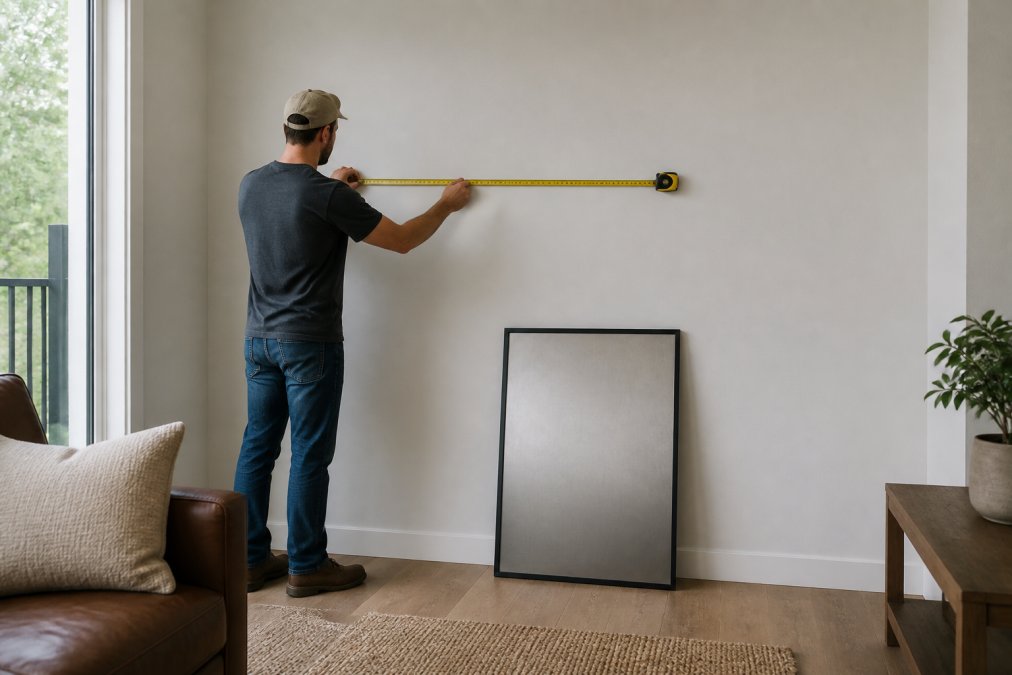
Consider the visual weight of the sign as well. A dark, powder-coated steel piece reads heavier than a light aluminum one, even at the same dimensions. In a small room, a heavy dark sign can dominate. In a large open loft, a light sign may get lost. Interior designers often talk about visual balance: the sign should feel proportional not just to the wall, but to the furniture and other decor around it.
Metal Sign Materials: Which One Fits Your Home?
The material you choose determines how your sign looks, how long it lasts, and how much maintenance it needs. For most indoor decor, the choice comes down to three main options: aluminum, steel, and brass.
Aluminum vs. Steel vs. Brass
Aluminum is the most versatile choice for home decor. It is lightweight, naturally resistant to corrosion, and easy to hang without heavy anchor bolts. Most decorative metal signs on the market today are made from aluminum because it handles intricate laser cutting and detailed printing well. It is also the safest option if you are hanging above a couch or bed, since a falling aluminum sign is far less dangerous than a steel one.
Steel offers a heavier, more industrial feel. It takes on a darker, more rugged appearance and works beautifully in man caves, garages, and workshops. The tradeoff is weight and maintenance. Standard steel will rust if exposed to moisture, so it needs a protective coating. Galvanized steel has a zinc layer that prevents rust, making it a better choice for any area with humidity.
Brass brings a warm, vintage aesthetic that pairs well with traditional and rustic interiors. It develops a natural patina over time, which some homeowners love for its aged character. Brass is softer than steel and requires periodic polishing to maintain its shine. It is also the most expensive of the three materials.
| Material | Weight | Best For | Durability | Maintenance |
|---|---|---|---|---|
| Aluminum | Light | Most rooms, large signs | Corrosion-resistant | Minimal |
| Steel | Heavy | Garages, industrial spaces | Rusts without coating | Moderate |
| Brass | Medium | Vintage, traditional decor | Develops patina | Polishing required |
Outdoor vs Indoor Metal Sign Durability
If your metal sign is going outside on a patio, porch, or garden wall, you cannot use the same sign you would hang in a living room. Outdoor conditions demand specific materials and finishes.
The key difference comes down to weatherproofing. Indoor signs can get away with basic painted surfaces and standard steel. Outdoor signs need materials that resist moisture, UV rays, and temperature swings. Marine-grade aluminum is the gold standard for outdoor use because it handles humidity and rain without corroding. Powder-coated finishes add another layer of protection, creating a tough outer shell that resists scratching and fading.
UV exposure is the silent killer of outdoor signs. Direct sunlight breaks down paint and printed graphics over time. Signs meant for outdoor use should use UV-resistant inks or a clear protective topcoat to prevent fading. According to guidance from the American Society of Interior Designers on material selection, choosing materials suited to the specific environment of a space is one of the most important factors in long-term design satisfaction.
For covered patios and porches, a galvanized steel sign will hold up well since it is never directly exposed to rain. For fully exposed walls, stick with aluminum that has a powder-coated finish. Steel will eventually show rust spots no matter how well it is coated, especially in coastal areas with salt air.
Matching Metal Signs to Your Interior Design Style
Metal signs are not one-size-fits-all decor. A vintage oil advertisement sign will look out of place in a minimalist Scandinavian apartment, just as a sleek modern typography sign will clash with a rustic farmhouse kitchen.
For industrial decor, look for signs with raw or brushed finishes, exposed hardware, and bold typography. Dark steel and galvanized surfaces fit right in. For farmhouse and rustic styles, distressed finishes, muted colors, and vintage-inspired graphics work best. Brass and aged aluminum complement the warm wood tones common in this aesthetic.
Modern and minimalist spaces call for clean lines, simple typography, and matte finishes in black, white, or metallic tones. Avoid overly busy graphics. The sign should feel like a deliberate design choice, not a novelty item. For vintage and retro rooms, reproduction signs with bold colors and classic advertising graphics add authentic character.
A common approach is to treat your metal sign as the room's focal point, then build the rest of the decor around it. If you have a colorful vintage sign, keep surrounding wall art neutral. If your sign is subtle and monochrome, you have more freedom to add other decorative elements nearby.
Best Metal Signs for Man Cave Walls
The man cave is where metal signs truly shine. This is a space designed around personality, hobbies, and interests, and there is no better way to express those than with custom signage.
The best metal signs for man cave walls are the ones that reflect what you actually care about. Sports, cars, motorcycles, hunting, fishing, music, and classic movies are all popular themes. Custom signs take this a step further, allowing you to add your name, a favorite quote, or a specific design that no one else has.
Size matters more in a man cave than almost any other room. These spaces often have large blank walls that need substantial pieces to fill them. A single large sign, around 24 by 36 inches, can anchor an entire wall. Smaller signs work well in groups, creating a gallery effect that adds depth and interest.
How to Hang Metal Signs Without Damaging Walls
Renters and homeowners alike worry about putting holes in their walls. The good news is that most metal signs can be hung with minimal damage if you choose the right method.
For lightweight aluminum signs under 5 pounds, adhesive strips like Command picture hanging strips work well on smooth surfaces. They hold firmly but remove cleanly without leaving residue or damage. For heavier steel signs, you will need proper mounting hardware. A stud finder is essential to locate a wall stud for the most secure hold. If no stud is available, use a drywall anchor rated for the sign's weight.
Most quality metal signs come with pre-drilled holes or pre-attached mounting hardware. Check the back of your sign before buying. Signs with keyhole slots are the easiest to hang level since they allow for minor adjustments after mounting.
The mounting hardware you choose should match the weight of the sign. A small aluminum sign can hang from a single nail. A large steel sign needs at least two points of support, spaced apart to prevent it from rotating or sagging over time.
Finishes, Colors, and Personalization Options
The finish on your metal sign affects both its appearance and its durability. A matte finish reduces glare and works well in brightly lit rooms. A glossy finish makes colors pop but reflects light, which can be distracting in certain positions. Brushed finishes add subtle texture and hide fingerprints better than smooth surfaces.
Powder-coated finishes are the most durable option available. The coating is baked onto the metal, creating a tough layer that resists chipping, scratching, and fading. This is the finish you want for any sign that will see heavy use or outdoor exposure.
Personalization is where metal signs become truly special. Custom signs allow you to choose the text, graphics, colors, and even the shape of the sign itself. A custom family name sign for the entryway, a personalized bar sign for the home bar, or a custom pet portrait sign for the living room all add a level of meaning that mass-produced decor cannot match.
Vector graphics produce the crispest results for custom signs. If you are designing your own sign, request a proof before production to make sure the layout and colors look right. Most reputable sign companies offer custom design services with a proofing step before fabrication begins.
Maintenance, Placement, and Lighting Tips
Metal signs are low maintenance, but they are not no-maintenance. Indoor signs need occasional dusting with a soft, dry cloth. For fingerprints and smudges, a slightly damp cloth followed by a dry wipe works well. Avoid harsh chemical cleaners, which can strip protective coatings and damage painted surfaces.
Outdoor signs need more attention. Wash them periodically with mild soap and water to remove dirt, pollen, and bird droppings. Inspect the mounting hardware a couple of times a year to ensure it has not loosened from wind or temperature changes. If you notice any rust spots starting on a steel sign, sand them down and touch up with matching paint before they spread.
Placement is about more than just aesthetics. Consider the sightlines in your room. A sign placed too high will strain the neck to view. The center of the sign should sit roughly at eye level, around 57 to 60 inches from the floor, which is the standard gallery height.
Lighting can dramatically change how your metal sign looks. Directional track lighting or a picture light mounted above the sign creates highlights and shadows across the metal surface, adding depth and dimension. Signs with textured or brushed finishes especially benefit from angled lighting. Avoid placing signs directly opposite bright windows, where glare can wash out the design.
Rust prevention starts at the purchase stage. If you are buying a sign for a humid area like a bathroom, sunroom, or outdoor location, choose aluminum or galvanized steel and confirm the finish is rated for that environment. A sign that is properly matched to its location will look great for years with minimal upkeep.
Choosing metal signs for decor comes down to understanding your space, your style, and the conditions your sign will face. Measure your wall first, pick a material that matches both the look and the environment, and use the right hanging hardware for the weight. Whether you are outfitting a man cave, adding personality to a home bar, or creating a custom piece for a loved one, the right sign transforms a blank wall into a conversation starter.
Ready to make your space stand out? Explore unique, conversation-starting signs at RealCoolSigns.com and find the perfect piece for your home, office, garage, or gift.
Frequently Asked Questions
What are the best types of metal for signs?
Aluminum is the most popular choice for decorative metal signs because it is lightweight, resists rust, and handles both indoor and outdoor conditions well. Steel offers a heavier, more industrial look but needs a protective coating to prevent rust outdoors. Brass provides a classic, polished aesthetic that develops a unique patina over time, making it a strong option for indoor accent pieces.
How do I determine the right size metal sign for a specific wall?
A good rule of thumb is that your metal sign should cover about 60-75% of the width of the furniture below it or the empty wall space you are filling. For a large, empty wall, a single oversized sign can serve as the focal point. For smaller spaces like a hallway, a grouping of smaller signs can create visual balance without overwhelming the area.
Are metal signs durable enough for outdoor garden decor?
Yes, but you need to pick the right material and finish. Look for signs made from aluminum or galvanized steel with a powder-coated finish. Powder coating adds a tough, weatherproof layer that protects against UV rays, moisture, and scratches. This type of outdoor vs indoor metal sign durability ensures your garden sign will hold its color and shape through sun, rain, and snow for years.
How do I design a custom metal sign?
Start with a high-resolution image or vector graphics file for the clearest result. Most providers let you choose the size, shape, and finish, such as a matte or glossy look. Think about the color contrast between the sign background and the text or image. For a vintage feel, request a distressed finish. For a modern look, a clean, brushed finish with bold typography works best.
What are the best colors for signs?
The best color scheme depends on your room's palette. For a cohesive look, pull a secondary or accent color from your existing decor and use it in the sign. Black and white signs are versatile and fit most styles from modern to farmhouse. For a man cave or garage, darker backgrounds with bold, contrasting text or graphics create high impact and match the industrial decor.
How can I style metal signs to match my existing home aesthetic?
Treat your metal sign as part of a gallery wall or a standalone focal point. In a rustic or farmhouse room, pair a weathered sign with wood accents and warm lighting. In a modern industrial space, choose a sign with a brushed finish and pair it with metal shelving. For a man cave, mix vintage-style signs with neon lights and dark paint to enhance the visual weight.