


Table of Contents
- Aluminum Decor: Is the Investment Worth It?
- Durability and Corrosion Resistance
- Long-Term Cost Effectiveness
- Benefits of Metal Wall Art for Your Space
- Aluminum Decor Maintenance Tips and Best Practices
- How Aluminum Compares to Other Materials
- Environmental Impact and Recyclability
- Conclusion
Last Updated: August 15, 2026
Aluminum Decor: Is the Investment Worth It?
Aluminum signs and decor have become popular for good reason: they promise durability, weatherproofing, and a sleek aesthetic that fits everything from man caves to garden spaces. But is aluminum decor worth the price? The answer depends on your specific use case and how long you plan to keep the piece.
Aluminum delivers something wood, plastic, and steel simply can't match in the same package: lightweight construction combined with serious durability. Below, we'll walk you through durability, maintenance, cost-benefit analysis, and how aluminum stacks up against other materials. By the end, you'll know exactly whether an aluminum sign or decorative piece is the right investment for your space.
Durability and Corrosion Resistance
Aluminum naturally resists corrosion through oxidation, which creates a protective layer on the surface. Unlike steel, which rusts aggressively when exposed to moisture, aluminum develops a stable patina that actually protects what's underneath.
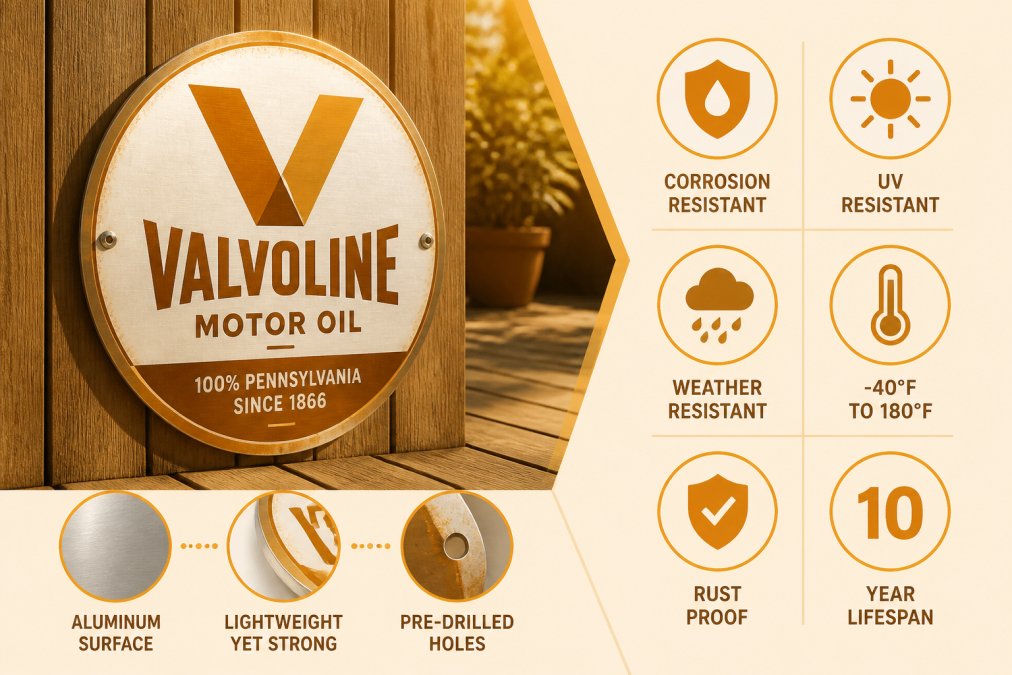
Real Cool Signs uses .32mm thick aluminum for most signs, thick enough to resist denting from minor impacts while staying lightweight enough to hang without heavy-duty hardware. This gauge strikes a practical balance between durability and ease of installation.
The structural integrity of aluminum holds up in salt spray environments, humid climates, and temperature swings. If you're mounting a sign on a patio year-round or in a coastal area, aluminum won't deteriorate the way wood warps or steel corrodes. The weatherproof nature means you don't need to worry about rust stains bleeding down your wall.
One honest limitation: aluminum can show fingerprints and dust more visibly than some alternatives. This isn't a durability issue, it's a maintenance one.
Long-Term Cost Effectiveness
The upfront price of aluminum decor is higher than plastic alternatives but comparable to quality wood or steel pieces. Where aluminum wins is the long-term value calculation.
A well-made aluminum sign lasts 10-15 years with virtually no degradation, assuming standard indoor or covered outdoor use. When you calculate cost per year of enjoyment, aluminum becomes attractive quickly. Cheaper plastic decor fades within 2-3 years and cracks in sunlight. Wood requires regular sealing and staining. Steel rusts unless you maintain a protective coating. Aluminum requires none of that.
Real Cool Signs offers free shipping on orders over $99 and a 30-day return policy, which reduces the total cost barrier and lets you test whether a piece works in your space without financial risk. Aluminum also holds resale value better than disposable alternatives, making it an investment piece rather than a consumable.
Benefits of Metal Wall Art for Your Space
Metal wall art, and aluminum specifically, adds visual weight to a room without physical heaviness. A large aluminum sign commands attention, creates a focal point, and defines the aesthetic of whatever space it occupies.
Aluminum's aesthetic appeal works across design styles, industrial spaces, vintage collectible displays, modern minimalist rooms, and eclectic man caves. The material itself is neutral enough to work with any color palette, and the finish quality of printed aluminum art means colors stay vibrant.
A well-chosen aluminum sign communicates something about the person who owns it. Real Cool Signs' collection includes personalized options, which adds another layer of value. A Personalized Tiki Bar Sign with your name isn't just decoration; it's a conversation starter and a reflection of your space's purpose.

Installation is straightforward. Most aluminum signs come with pre-drilled mounting holes, and the lightweight nature means you don't need specialized hardware. This matters for renters or people who don't want permanent installation.
Aluminum Decor Maintenance Tips and Best Practices
Maintenance is where aluminum really shines as an investment. Unlike wood, which needs regular sealing, or steel, which needs rust prevention, aluminum requires minimal upkeep.
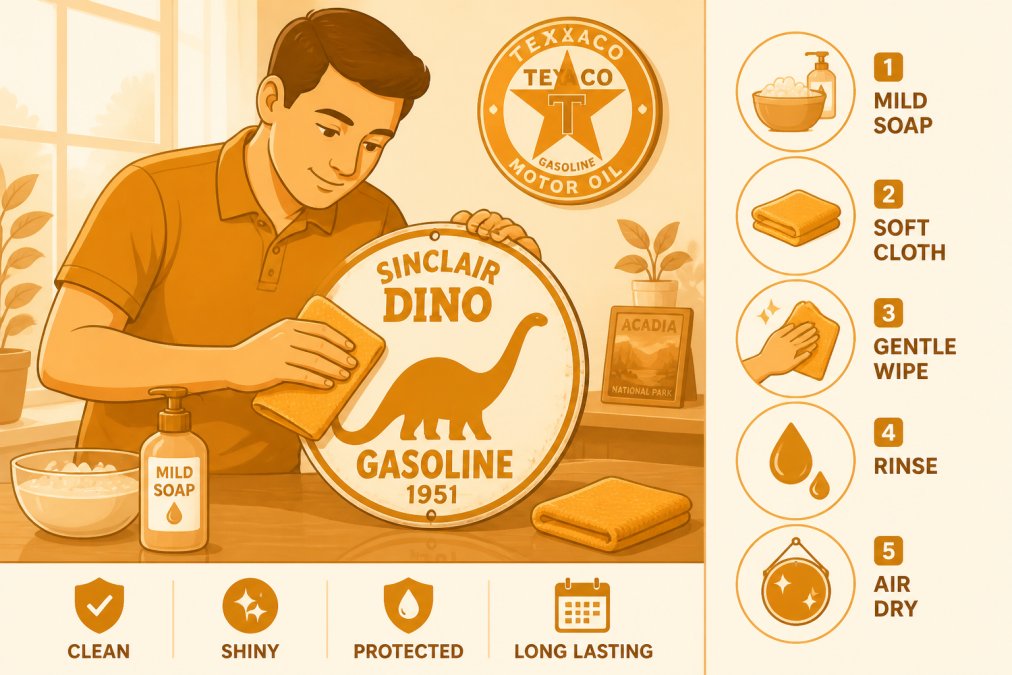
Routine Cleaning and Care
Here's what actually works for keeping aluminum decor in top condition:
-
Gentle cleaning with mild soap: Use a soft microfiber cloth with warm water and a few drops of dish soap. Wipe gently in circular motions. Avoid abrasive scrubbers, steel wool, or harsh chemicals like bleach or acetone, which can damage the powder coating finish.
-
Dust regularly: A quick wipe with a dry microfiber cloth every 1-2 weeks keeps it looking fresh. This is purely aesthetic maintenance, not structural.
-
Avoid prolonged moisture: While aluminum resists corrosion, standing water or constant moisture exposure can eventually cause issues. Ensure proper drainage and wipe away water droplets after rain if the sign is in a covered but humid area.
-
Check mounting hardware regularly: The sign itself won't degrade, but mounting hardware can rust if it's not stainless steel or aluminum. Inspect bolts, screws, and brackets annually and replace any rusted hardware with stainless steel equivalents.
-
Protect from extreme conditions: While aluminum handles temperature swings well, avoid mounting signs directly above heat vents or in areas with constant temperature fluctuations.
Restoration Techniques for Aged or Weathered Pieces
If your aluminum sign has been outdoors for years or you've acquired a vintage piece, restoration is straightforward.
Patina and oxidation buildup: Aluminum naturally develops a thin, protective oxide layer over time. If this buildup looks dull or chalky, a gentle polish restores the original finish. Use a soft cloth with non-abrasive aluminum polish labeled "safe for anodized aluminum." Apply in small circular motions, then buff with a clean cloth.
Color fading from UV exposure: If colors have faded after years of direct sunlight, the sign remains structurally sound. Real Cool Signs' UV-resistant printing maintains vibrant color for 5+ years even in direct sunlight.
SHOP OUR REAL COOL COLLECTIONS NOW →
Stubborn stains or discoloration: For water spots or mineral deposits, use white vinegar on a soft cloth. Wipe gently and rinse with distilled water. For bird droppings or tree sap, let the area soak with warm soapy water for 5 minutes before wiping.
Scratches or minor dings: Small scratches expose bare aluminum underneath, but aluminum's natural oxide layer forms a protective barrier. If you want to hide scratches cosmetically, touch-up paint matched to your sign's color is available at hardware stores.
Long-Term Upkeep Timeline
- Monthly: Quick dust with a dry cloth (2 minutes).
- Quarterly: Gentle wash with mild soap and water (5-10 minutes).
- Annually: Inspect mounting hardware and replace any rusted fasteners; check for patina buildup and polish if needed (15-30 minutes total).
- Every 3-5 years: Deep clean with aluminum polish if the sign is outdoors; inspect for any powder coating damage and touch up if necessary.
The tools you need, soft cloth, mild soap, aluminum polish, cost minimal amounts and last for years. You don't need specialized equipment or professional services. Compare this to wood, which requires periodic sealing, or steel, which may need rust-prevention touch-ups. Aluminum's low maintenance cost is a direct financial advantage that compounds over the years you own the piece.
How Aluminum Compares to Other Materials
Understanding how aluminum stacks up against wood, steel, and plastic requires looking deeper than surface-level durability claims. The real insight is that not all aluminum is created equal, price differences often reflect material grade, not just brand markup.
Understanding Aluminum Grades and Why Price Varies
Extruded aluminum is pushed through a die to create a specific shape. This is what most modern signs use because it's lightweight, uniform, and can be customized into complex profiles. Extruded aluminum is stronger than cast aluminum relative to its weight, making it ideal for wall-mounted decor.
Cast aluminum is poured into molds and is heavier, denser, and more brittle. It's used for decorative pieces that don't need to flex, think ornamental wall plaques. Cast aluminum resists denting and holds fine detail but is less suitable for signs that might experience vibration.
Recycled aluminum comes from melted-down scrap and has the same structural properties as virgin aluminum. The environmental benefit is significant, recycled aluminum requires 95% less energy to produce than virgin aluminum. Most quality manufacturers blend recycled and virgin aluminum to balance sustainability with consistency.
Real Cool Signs uses extruded aluminum for signs because it delivers the best combination of strength, weight, and customization potential. The .32mm gauge is thick enough to resist denting but light enough to hang without heavy hardware.
Material Comparison with Grade Context
| Material | Durability | Maintenance | Outdoor Use | Aesthetic | Best For |
|---|---|---|---|---|---|
| Extruded Aluminum | Excellent (10-15 years) | Minimal | Excellent | Modern/Versatile | Durable, customizable signs |
| Cast Aluminum | Excellent (10-15 years) | Minimal | Good | Ornamental/Detailed | Decorative plaques, architectural pieces |
| Wood | Good (3-5 years) | High (sealing, staining) | Fair (needs protection) | Warm/Natural | Rustic, vintage aesthetic |
| Steel | Excellent (10+ years) | Moderate (rust prevention) | Good (with coating) | Industrial | Heavy-duty, industrial look |
| Plastic | Poor (2-3 years) | Minimal | Fair (fades quickly) | Limited | Temporary, budget decor |
Why the Price Premium Makes Sense
Wood offers warmth and natural aesthetic that aluminum can't replicate, but wood warps in humidity, requires regular sealing and staining, and degrades faster in outdoor conditions. Steel is equally durable to aluminum but heavier, more expensive to customize with printed graphics, and requires rust prevention maintenance. For residential decor, extruded aluminum delivers the same longevity with less weight, easier installation, and superior customization options.
Plastic is cheaper upfront but becomes expensive over time because it fades within 2-3 years and cracks as it ages. When you understand the grade differences, you're not paying for a brand name; you're paying for engineering that delivers years of reliable performance.
Environmental Impact and Recyclability
Aluminum is infinitely recyclable without degrading in quality. An aluminum sign can be melted down and reformed endlessly, making it genuinely sustainable in a way plastic and treated wood are not.
The lifecycle analysis of aluminum is favorable. Initial production requires energy, but the recyclability factor means the material doesn't end up in landfills. Most aluminum decor gets recycled back into new products rather than accumulating as waste.
Real Cool Signs' commitment to quality construction means pieces last longer, which reduces waste. A sign that lasts 10 years generates far less environmental impact per year than cheaper alternatives you replace every 2-3 years. The recyclability of aluminum also supports the resale market, keeping vintage pieces in circulation rather than becoming waste.
Conclusion
Is aluminum decor worth the price? Yes, if you're looking for something that lasts, requires minimal maintenance, and holds its aesthetic appeal over years of use. The upfront cost is higher than plastic but comparable to quality wood or steel, and the long-term value calculation favors aluminum decisively.
If you're renting and need flexibility, aluminum's lightweight, damage-free installation is a genuine advantage. If you're decorating permanently, the 10-15 year lifespan and minimal maintenance justify the investment. If you care about environmental impact, aluminum's recyclability wins. If you want personalized decor that reflects your passions, the customization options available make aluminum the practical choice.
Ready to make your space stand out? Explore unique, conversation-starting signs at RealCoolSigns.com and find the perfect piece for your home, office, garage, or gift.
Frequently Asked Questions
Will aluminum decor fade or rust if I display it outdoors year-round?
Aluminum is naturally corrosion-resistant and won't rust like steel. High-quality aluminum decor uses powder coating and UV-protective finishes to resist fading from sun exposure. Over time, outdoor aluminum may develop a protective patina or slight discoloration, but this is cosmetic and doesn't affect durability. Real Cool Signs uses .32 mm aluminum with premium finishes designed to withstand outdoor conditions. Regular cleaning with mild soap and water keeps it looking fresh.
How does aluminum decor compare to wood, steel, or plastic alternatives?
Aluminum offers superior durability and corrosion resistance compared to wood, which warps and rots outdoors. Unlike steel, aluminum won't rust without maintenance. Plastic is cheaper but fades quickly and becomes brittle in sunlight. Aluminum strikes a balance: it's lightweight, weather-resistant, long-lasting, and maintains its aesthetic appeal. For investment pieces that will last decades, aluminum outperforms plastic and requires far less maintenance than wood or untreated steel.
What are the main benefits of metal wall art for home décor?
Metal wall art, particularly aluminum, adds instant character and visual interest to any room. It's durable enough for high-traffic areas and doesn't require special handling. Metal pieces work across design styles, from industrial and vintage to modern and eclectic. They're lightweight, making installation easy, and they won't warp, crack, or fade like other materials. Aluminum specifically offers a sleek, professional appearance while being affordable enough for multiple pieces throughout your home.
Does aluminum decor hold its value or serve as an investment?
Aluminum decor holds value differently than precious metals. While it won't appreciate like collectible art, high-quality aluminum pieces maintain their appearance and function for decades, making them a smart long-term investment in your space. Vintage-style aluminum signs, particularly mid-century modern or industrial designs, have become increasingly sought-after by collectors. The real value lies in durability, you won't replace it every few years like cheaper decor, making the upfront cost worthwhile over time.