


Quick Summary
A personalized home lounge starts with the passions you want to share, such as cars, pets, gardening, or cocktails. Pick one main theme, arrange seating around how you actually gather, and layer warm lighting and decor that showcase what you love.
- List the hobbies, pets, and interests you would brag about, then pick the top three.
- Choose one dominant theme and two supporting accents to keep the room focused.
- Aim for 8 to 10 feet between conversation seats so people can talk without raising their voices.
- Layer lighting into ambient, task, and accent tiers, and put ambient lights on a dimmer.
- Use warm light in the 2700K to 3000K range for a relaxed lounging atmosphere.
Table of Contents
- Start With the Passions Your Lounge Should Celebrate
- Plan the Layout Around How You Actually Gather
- Set the Mood With Lighting and Color
- Add Custom Metal Signs for Home Bar Displays
- Layer in Unique Home Lounge Decor Ideas
- Personalize on a Budget With Simple DIY Touches
- Pick Your Next Piece for the Lounge
- Frequently Asked Questions
Tips for Designing a Personalized Home Lounge That Shows Your Passions
Last Updated: November 9, 2026
Your home lounge is the one room where you get to show exactly who you are. A personalized home lounge turns a plain space into a place that tells visitors what you love.
Most people start by buying furniture. The better place to start is with what you care about. Keep reading and you'll get a step-by-step plan for building a lounge that feels like yours.
Start With the Passions Your Lounge Should Celebrate
Every great personalized home lounge begins with a list of what you love. Skip the trends for now and focus on the things you talk about with friends.
Listing the Interests You Want to Share
Grab a notepad and write down every hobby, pet, team, or interest you want people to notice. Think about what you would brag about at a party.
- Your favorite car, motorcycle, or vintage automotive memorabilia
- A pet you adore and want to celebrate
- Gardening, cooking, or a drink you love to mix
Pick the three that matter most. Those become the backbone of your lounge.
Choosing a Main Theme and Supporting Accents
Once you have your top passions, choose one as the main theme. Use the others as supporting accents.
For example, if cars are your main passion, let a large custom sign anchor one wall. Then add smaller touches, like coasters or a garden sign, that nod to your second and third interests.
Quick tip: One dominant theme plus two accents is usually enough for a balanced look.
Plan the Layout Around How You Actually Gather
A lounge should fit the way you really use it. Watching the game with four friends needs a different setup than a quiet night with a book, and the layout is what decides whether the room feels welcoming or awkward. Before you move a single chair, answer three questions: How many people usually sit here at once?
Match the Seating to the Gathering
Most lounges fall into one of three patterns, and each calls for a different arrangement:
- Conversation-first: Two sofas facing each other or an L-shaped sectional with chairs pulled in close. Seats should sit roughly 8 to 10 feet apart, close enough to talk without raising your voice, far enough that knees don't knock.
- Screen-first: A sofa and a pair of chairs angled toward the focal wall, with the front row about 8 to 12 feet back from a television. Keep the sightline clear of tall lamps and side tables.
- Bar-and-mingle: A small sofa plus a couple of stools or a bench near the bar, arranged so people can stand, set a drink down, and drift between groups.
Pick the pattern that matches your most common night, then add a secondary seat for the occasional guest. A lounge that seats exactly the usual crowd plus one always feels right.
Build Zones Instead of One Big Room
Open-plan lounges feel impersonal when everything floats in one undivided space. The fix is zoning: grouping furniture into two or three distinct pockets, each with its own purpose.
You don't need walls to separate zones. A rug defines a seating area, the back of a sofa creates a natural divider, and a console table behind a couch gives a zone a clear edge.
Leave Room to Move
Traffic flow is where most layouts go wrong. Leave 30 to 36 inches between furniture pieces so people can walk without sidestepping, and widen that to 36 to 42 inches along the main path from the doorway to the bar or seating.
Watch out: Pushing all the furniture against the walls to 'make the room feel bigger' usually does the opposite, it strands the seating in the middle of empty space and kills conversation.
Point the Room at Your Signature Piece
Every lounge needs a focal point, and in a personalized lounge that focal point is usually the piece that shows what you love. Arrange seating so the majority of seats can see it. If your signature piece hangs on one wall, angle the sofa toward it rather than squaring it to the room. If it sits above the bar, orient the bar stools and one chair toward it so it becomes the natural gathering spot.
Plan for Mood, Not Just Furniture
Layout does quiet psychological work. Seating arranged in a closed circle encourages long conversation; seating in a straight row feels formal and temporary. Lower furniture and a low coffee table signal relaxation, while tall shelving and upright chairs feel more alert. Decide what you want people to feel when they sit down, settled, energized, nostalgic, and let the arrangement carry that feeling before any decor goes up.
Set the Mood With Lighting and Color
Lighting and color do more than make a room look good, they set how a lounge feels the moment someone walks in. Most guides stop at 'layer your lighting and pick a palette.' The deeper move is to design for mood and the senses, so the room relaxes people before they even sit down.
Layer Light in Three Tiers
Build light in three layers so you can dial the mood up or down:
- Ambient light: Ceiling fixtures, recessed cans, or wall sconces for general brightness. Put these on a dimmer, it's the single biggest upgrade for a lounge.
- Task light: A floor lamp beside the reading chair, a pendant over the bar, or a table lamp on the console. Aim for light that lands where hands and eyes work.
- Accent light: Small spotlights or picture lights aimed at your signature piece and displays. A narrow beam makes a sign or a shelf of memorabilia read as a feature rather than clutter.
A simple target is warm light in the 2700K to 3000K range for lounging areas, cooler light reads as clinical and washes out warm colors. Put the ambient and accent lights on separate switches so you can run accent-only light for evening gatherings.
Choose Color by the Feeling You Want
Pick a base palette of two or three colors and let your passion pieces carry the bright accents. Beyond that, choose the base by mood: warm neutrals and deep greens feel settled and cozy, cool grays and blues feel calm and spacious, and saturated jewel tones feel energetic and social. Paint the largest wall in your calmest color and reserve the boldest color for a single accent wall or the bar backdrop.
Watch out: Matching every accent to your main passion piece can make the room feel like a showroom. Let one or two colors repeat and leave the rest neutral so the signature piece stays the star.
Design for the Other Senses
A lounge that only looks good is only half designed. The senses competitors skip are where a personalized room starts to feel unmistakably yours:
- Sound: Hard surfaces bounce noise and make a full room feel loud. A rug, upholstered seating, curtains, and a bookshelf absorb sound and make conversation easier. If music matters to you, plan speaker placement before furniture so sound fills the room evenly.
- Scent: A candle, a diffuser, or a bowl of dried botanicals tied to a passion, cedar for a cabin feel, citrus for a tiki bar corner, gives the room a signature smell guests remember.
- Touch: Mix textures on purpose. A nubby throw, a smooth leather chair, a woven rug, and a cool metal accent give hands something to explore and make the room feel collected rather than bought in one trip.
Let the Light Flatter Your Displays
Where you place light matters as much as how much you use. Angle accent lights so they graze a sign or shelf from the side rather than straight on, side light brings out texture and depth. Keep glare off glass frames and screens by placing lamps outside the sightline of the main seats. And check the room at night before you commit: a palette that looks great in afternoon sun can go flat under warm evening light, so test your colors and your accent placement after dark.
Add Custom Metal Signs for Home Bar Displays
If your lounge includes a home bar, a custom sign can make it the most talked-about spot in the house.
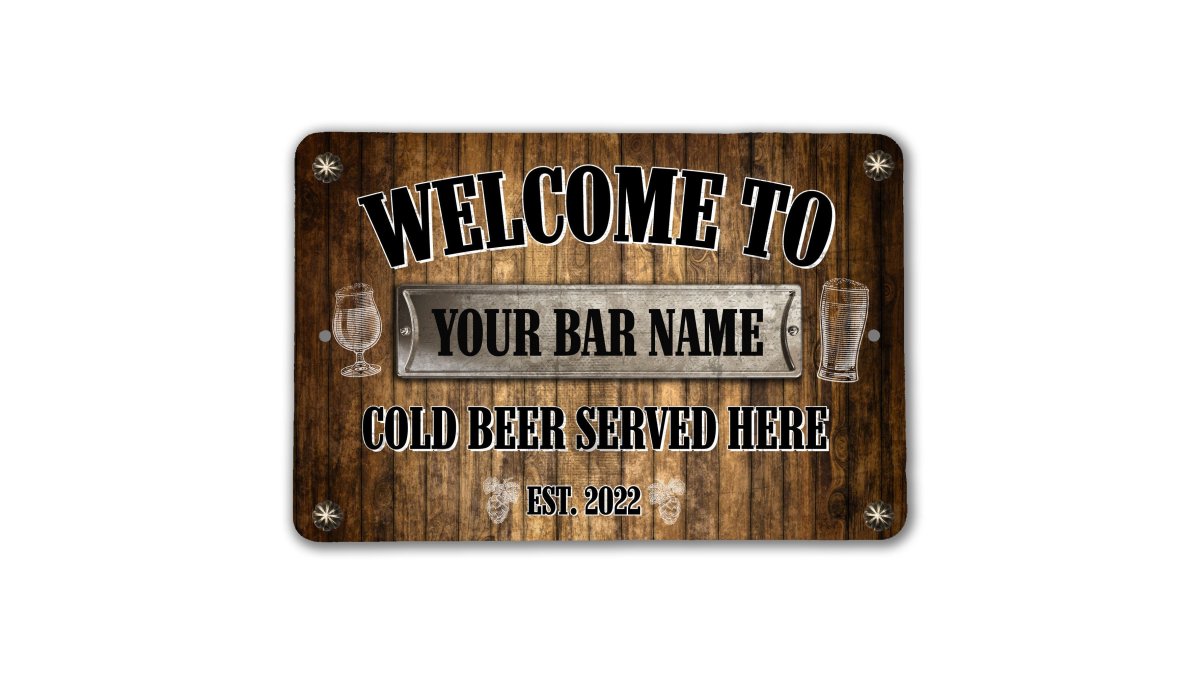

A Personalized Bar Sign works well for a home bar, man cave, or game room because it can carry your name or a message you choose.
Before you buy, Is a Home Bar Sign Worth It? A 2026 Buying Guide explains how a sign like this fits into a bar setup and what to look for in size and placement.
Here's how to choose a bar sign that fits your space:
- Measure the wall first and pick a size that fills about one-third of the space above the bar
- Match the sign's colors to your lounge palette
- Hang it at eye level for people sitting on bar stools
The Personalized Tiki Bar Sign adds island style with your custom name. For cocktail fans, the Types of Cocktails Vintage Aluminum Sign works as a fun reference chart above the bar.


Layer in Unique Home Lounge Decor Ideas
Decor is where your personality really comes through. The goal is to layer pieces so the room feels collected, not crowded.
Start with one large focal point, like a custom sign. Then build around it with smaller items:
- Framed photos from car shows, games, or trips
- Books or magazines related to your passion
- Plants or a small garden display for a natural touch
How to Style a Small Man Cave: 7 Design Tips offers more ideas for arranging these pieces in a compact room.
Vintage memorabilia also adds character. Vintage Automotive Memorabilia Display Ideas for Your Space shows creative ways to display themed items that match your interests.
Watch out: Don't hang everything at the same height. Vary the heights so the eye moves around the room.
Personalize on a Budget With Simple DIY Touches
You don't need a big budget to make a lounge feel personal. Small, thoughtful touches often mean the most.
Try these easy ideas:
- Make a gallery wall from photos of your favorite cars, pets, or gardens
- Use custom coasters for your drinks table
- Swap out throw pillows with fabrics in your favorite team colors
These projects cost little and let you change the look over time as your interests shift.
Pick Your Next Piece for the Lounge
Once your lounge has a theme and a few key pieces, think about what to add next.
Unique Personalized Anniversary Gifts Made of Metal: Ideas can help you find pieces that celebrate a shared interest, whether you're buying for yourself or someone else.
Ask yourself one question before you buy: does this piece show something I love? If the answer is yes, it belongs in your lounge.
Your home lounge should feel like a true reflection of you.
Frequently Asked Questions
How do I make my home lounge feel more personal?
Start with the things you already love to talk about: a favorite car, a pet, a garden, or a favorite drink. Display those passions through a few focal pieces rather than scattering many small items. Personalized signs are a direct way to put your name or favorite theme on the wall, and they pair well with photos, memorabilia, and seating that you actually use. Keep the collection curated so each piece tells a clear part of your story.
What are the best ways to display hobbies in a living space?
Group hobby items into one visible zone, such as a wall for car signs or a bar corner for cocktail and bar decor. Use a consistent color palette so the pieces feel intentional. Mount signs at eye level where guests will naturally stop, and rotate items seasonally to keep the display fresh. A single well-placed sign often says more than a crowded shelf.
How can I create a relaxing lounge atmosphere at home?
Use layered lighting, with a main overhead source on a dimmer, plus lamps and warm bulbs at seating height. Choose comfortable seating and a rug that anchors the space. Keep walls calm in one or two colors, then add personality through a few bold accents. Soft textures and a clear path through the room make people want to stay and relax.
What decor elements best represent personal interests?
Themed wall signs, framed artwork, custom coasters, and themed accessories all communicate what you love. Pick items that reflect real interests, such as pets, gardening, cars, motorcycles, or cocktails, rather than trends you do not care about. Combining two or three of these elements in one zone creates a clear, personal story without clutter.
