


Table of Contents
- Why Rust Proof Metal Signs Matter for Outdoor Spaces
- Best Metal for Outdoor Signs: Materials That Resist Corrosion
- Rust Prevention for Garden Decor: Coatings and Treatments
- How to Install Metal Signs on Brick and Other Surfaces
- Maintenance and Cleaning Tips for Long-Term Durability
- Customization and Personalization Options
- Sustainability and Material Recyclability
- Conclusion
Last Updated: August 18, 2026
Why Rust Proof Metal Signs Matter for Outdoor Spaces
Rust proof metal signs for garden spaces aren't just decorative, they're an investment in durability that actually pays off. 🌳 When you're choosing outdoor decor, the difference between a sign that lasts five years and one that lasts fifteen comes down to material selection and protective coatings. This guide from Real Cool Signs breaks down everything you need to know about selecting, installing, and maintaining rust proof metal signs for garden environments.
The core problem most homeowners face is simple: they pick a sign based on looks alone, then watch it degrade within a season or two. Weather exposure, rain, UV rays, temperature swings, and soil-specific corrosion factors, works constantly against unprotected metal. A rust proof metal signs for garden setup solves this by combining the right material with the right protective finish. The result is outdoor durability that actually matches the investment you're making.
What separates a cheap sign from a quality one often isn't visible at first. It's what happens underneath: the gauge of the metal, the powder-coat thickness, the UV-LED printing process, and the mounting hardware quality. These details determine whether your sign stays vibrant for years or fades and corrodes within months.
Best Metal for Outdoor Signs: Materials That Resist Corrosion
Choosing the right metal is where most decisions about rust proof metal signs for garden go right or wrong. Two materials dominate the market: aluminum and steel. Each has distinct advantages depending on your specific environment and aesthetic goals.
Aluminum vs. Steel: Which Wins for Garden Durability
Aluminum is the superior choice for most garden applications. Here's why: aluminum naturally resists oxidation because it forms a protective oxide layer on its surface. This self-protecting quality means aluminum doesn't rust the way steel does. Steel, by contrast, requires aggressive protection, powder coating, paint, or galvanizing, to prevent rust. Without that protective barrier, steel corrodes quickly.
For rust proof metal signs for garden spaces, aluminum composite materials offer the best balance. They're lightweight, corrosion-resistant, and hold custom details sharply. A 16-gauge aluminum sign provides industrial-grade durability without the weight penalty of steel. The trade-off is cost: aluminum typically runs higher than uncoated steel, but the longevity justifies it.
Steel does have one advantage: it's heavier and more rigid, which some people prefer for larger installations. If you go the steel route, insist on heavy-duty powder coating and stainless steel mounting hardware. Regular maintenance becomes non-negotiable with steel. Aluminum demands far less upkeep.
Powder-Coated Finishes and UV-LED Printing
The finish matters as much as the base metal. Powder coating is the industry standard for outdoor durability. It creates a continuous, protective layer that bonds to the metal surface at a molecular level. This isn't paint, it's a baked-on polymer that resists chipping, fading, and moisture penetration far better than traditional paint.
UV-LED printing technology adds another layer of protection. Instead of ink sitting on top of the surface, UV-LED printing cures ink directly into the coating, creating a fade-resistant finish that holds color vibrantly even under intense sun exposure. Signs printed with this method maintain visual clarity for years without the yellowing or fading that affects cheaper alternatives.
The combination, aluminum base + powder coat + UV-LED printing, creates what's called a weatherproof finish. This is the gold standard for rust proof metal signs for garden applications. Real Cool Signs uses this exact combination on their aluminum garden signs, which is why their "Into My Garden I Go" collection maintains color and structural integrity through multiple seasons.

Rust Prevention for Garden Decor: Coatings and Treatments
Beyond material selection, active rust prevention through coatings and treatments extends the life of outdoor signs dramatically. Understanding these technologies helps you make informed choices about which signs will actually hold up in your specific garden environment.
Weather-Resistant Coating Technologies
Modern weather-resistant coatings work through multiple mechanisms. The primary function is moisture sealing, preventing water from reaching the base metal where oxidation begins. A quality protective laminate creates a barrier that sheds water rather than absorbing it.
Polyester and polyurethane coatings are common for this purpose. They're flexible enough to expand and contract with temperature changes without cracking, and they bond aggressively to metal surfaces. The best outdoor signs use multi-layer coating systems: a primer layer for adhesion, a base coat for protection, and a clear topcoat for UV defense.
Some manufacturers add ceramic elements to coatings for enhanced scratch resistance and durability. These industrial-grade finishes resist weathering better than basic paint, though they cost more upfront. For a rust proof metal signs for garden that will face years of exposure, the extra cost typically returns value through extended lifespan.
Fade-Resistant and Scratch-Resistant Finishes
UV resistance is critical for outdoor signs. Unprotected colors fade within months under direct sunlight. Fade-resistant finishes use additives and UV-blocking technologies to maintain color vibrancy. The best approach combines UV-protective coatings with fade-resistant inks applied through UV-LED printing.
Scratch resistance matters more than many homeowners realize. Garden signs face contact from branches, tools, weather debris, and incidental bumps. A scratch-resistant finish isn't just about appearance, it's about preventing moisture from entering through damaged coating. Once water reaches the base metal, corrosion accelerates rapidly.
Powder-coated aluminum signs with proper UV protection maintain visual clarity and structural integrity far longer than alternatives. This is why they're the standard for professional outdoor installations.
How to Install Metal Signs on Brick and Other Surfaces
Installation quality directly impacts longevity. A poorly mounted sign experiences stress from wind, vibration, and thermal expansion that degrades both the sign and the mounting points. Proper installation prevents these problems.
Tools and Hardware You'll Need
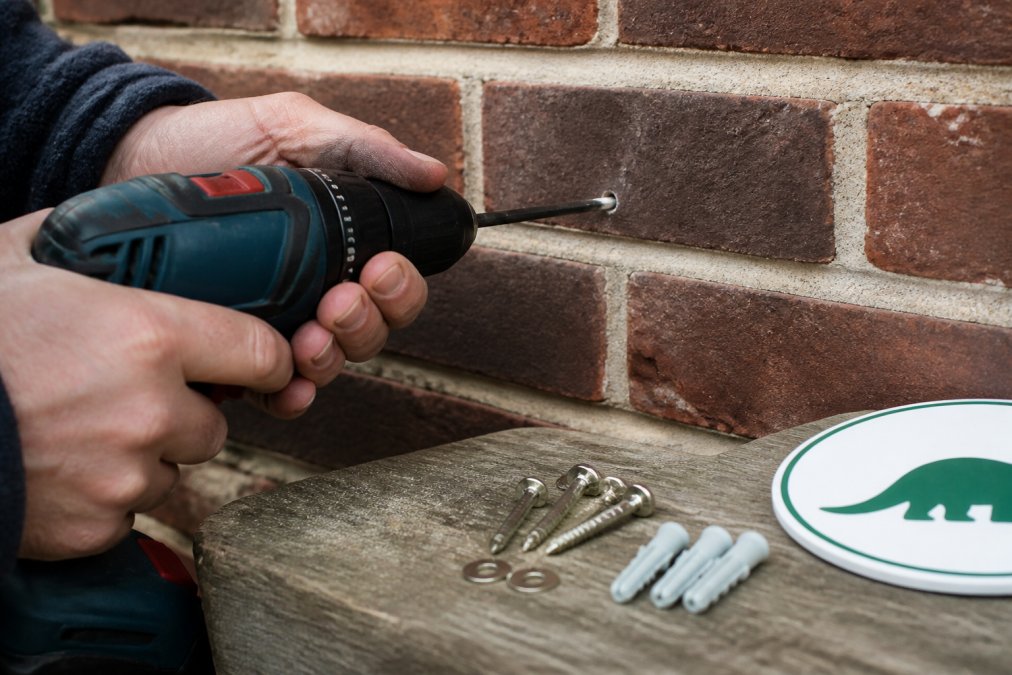
Before starting, gather the right equipment. You'll need a power drill with masonry bits (for brick or concrete), stainless steel mounting hardware, a level, a measuring tape, and a socket set or wrench. Pre-drilled holes on quality signs make this easier, you're simply transferring those holes to your mounting surface.
Stainless steel hardware is non-negotiable for outdoor installations. Standard steel bolts and brackets rust, which defeats the purpose of a rust proof metal signs for garden. Stainless steel resists corrosion and maintains structural integrity through years of weather exposure.
For brick installations specifically, use masonry anchors rated for your sign's weight. A typical aluminum garden sign weighs 3-5 pounds, but wind load creates forces far exceeding that weight. Anchors should be rated for at least 50 pounds of pull-out force per mounting point.
Step-by-Step Installation Process
Step 1: Mark Your Mounting Points (Time: 5 minutes) Use the pre-drilled holes on your sign as a template. Hold the sign against the mounting surface, use a level to ensure it's straight, and mark the hole locations with a pencil. This prevents misalignment that creates stress points.
Step 2: Drill Pilot Holes (Time: 10 minutes) For brick, use a masonry bit slightly smaller than your anchors. Drill slowly to prevent the bit from skipping. For vinyl siding or wood, standard drill bits work fine. Pilot holes prevent the mounting surface from cracking and make anchor installation easier.
Step 3: Install Anchors (Time: 5 minutes) Insert masonry anchors (for brick) or toggle bolts (for drywall) into the pilot holes. These expand behind the surface to distribute the sign's weight. Don't overtighten, you want firm contact without crushing the anchor.
Step 4: Mount the Sign (Time: 10 minutes) Align the sign's pre-drilled holes with the anchors. Insert stainless steel bolts and hand-tighten first. Use a level to verify the sign is straight before final tightening. Tighten bolts evenly, don't fully tighten one side before the other, as this creates stress.
Expected Result: A level, secure sign that won't shift in wind or vibrate loose over time. The sign should feel solid when you push on it gently.
DIY vs. Professional Installation
Most homeowners can install a rust proof metal signs for garden without professional help. The process is straightforward if you have basic tools and follow the steps carefully. The main risk is improper anchor selection or installation, which can cause the sign to fail under wind load.
Professional installation makes sense if you're mounting on difficult surfaces (stone, stucco, or composite materials), installing multiple signs, or dealing with significant wind exposure. Professionals have specialized tools, experience with various surfaces, and insurance coverage. For a single sign on brick or wood, DIY installation is usually fine.
A common mistake is underestimating wind load. A sign that seems light and secure in calm conditions can experience surprising forces during storms. Proper anchor selection and installation prevents this problem.
Maintenance and Cleaning Tips for Long-Term Durability
A rust proof metal signs for garden still requires basic maintenance to stay looking sharp. The good news: it's minimal compared to unprotected alternatives.
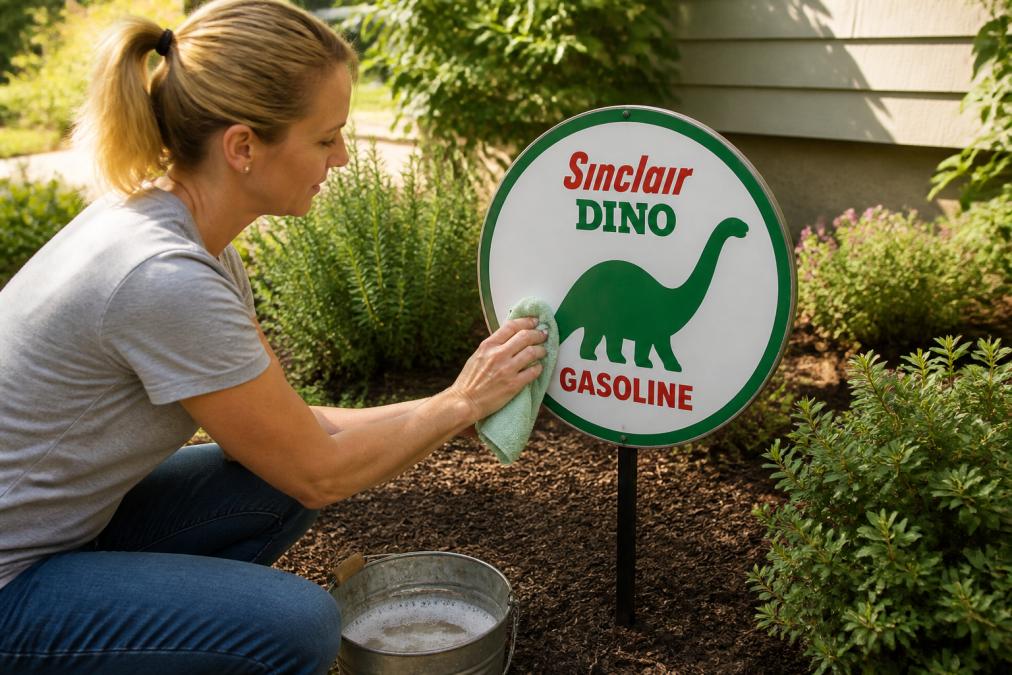
Clean your sign 2-3 times per year, more frequently if you live in a high-pollen or coastal environment. Use mild soap, warm water, and a soft cloth. Avoid abrasive scrubbers or harsh chemicals that can damage the protective coating. Rinse thoroughly and dry with a clean cloth to prevent water spots.
Inspect mounting hardware annually. Stainless steel resists corrosion, but bolts can loosen over time due to wind vibration. A quick tightening prevents the sign from shifting. Check the coating for chips or scratches, if you spot damage, touch it up promptly to prevent moisture penetration.
In coastal areas where salt spray accelerates corrosion, rinse your sign monthly with fresh water to remove salt deposits. This simple step dramatically extends the life of outdoor metal decor. Snow and ice removal should be gentle, use a soft brush rather than metal scrapers.
Most quality aluminum signs with proper coatings need minimal maintenance beyond occasional cleaning. This is one of their key advantages over steel or uncoated alternatives.
Customization and Personalization Options
Real Cool Signs offers personalized aluminum garden signs that combine durability with unique design. Their "Into My Garden I Go" collection features multiple wildlife options, including butterflies, blue jays, hummingbirds, and monarchs, each with vibrant UV-LED printing that resists fading. These signs are available at $27.99 each, making them affordable for multiple placements around your garden.

Custom rust proof metal signs for garden spaces let you express your personality while maintaining professional durability. Whether you want nature themes, family names, or hobby-specific designs, aluminum composite construction with powder coating ensures your custom message stays sharp for years.
The personalization process typically involves uploading your design or working with a designer to create custom artwork. UV-LED printing captures fine details and maintains color vibrancy better than traditional methods. Pre-drilled holes for easy installation come standard on quality custom signs.
Sustainability and Material Recyclability
Aluminum is infinitely recyclable without losing material properties. A rust proof metal signs for garden made from recycled aluminum has identical performance characteristics to virgin aluminum. This makes aluminum the environmentally responsible choice for long-term outdoor decor.
Recycling aluminum requires about 95% less energy than producing new aluminum from ore. When your sign eventually reaches end-of-life, the aluminum can be recycled into new products indefinitely. Steel is similarly recyclable, though the manufacturing process is more energy-intensive.
Powder coatings are largely non-toxic when cured, though they should be handled properly during application. The durability of powder-coated aluminum means fewer replacements over time, reducing overall environmental impact compared to cheaper alternatives that require frequent replacement.
Ready to make your space stand out? Explore unique, conversation-starting signs at RealCoolSigns.com and find the perfect piece for your home, office, garage, or gift.
Frequently Asked Questions
What is the best metal for rust proof metal signs for garden use?
Aluminum is the top choice for rust proof metal signs in gardens. Unlike steel, aluminum doesn't rust because it doesn't contain iron, instead, it forms a protective oxide layer naturally. For maximum durability, choose aluminum with a powder-coated or UV-LED printed finish. This combination resists oxidation, fading, and moisture damage for years of outdoor longevity.
How long do powder-coated metal signs last outdoors?
Quality powder-coated aluminum signs typically last 7-10 years or longer in outdoor garden environments. The powder coating creates a protective barrier against moisture, UV rays, and salt exposure. With regular cleaning and minimal maintenance, many signs maintain their visual clarity and finish quality well beyond a decade. Soil-specific corrosion factors and local climate conditions can affect longevity.
Can I install rust proof metal signs on brick myself, or do I need professional help?
Most homeowners can install rust proof metal signs on brick with basic tools and pre-drilled holes. You'll need a power drill, masonry bits, anchors rated for brick, and the mounting hardware included with your sign. If you're renting or uncomfortable with drilling, professional installation is a hassle-free alternative. DIY installation takes 30-60 minutes and gives you complete control over placement.
How do I prevent rust on garden metal signs after installation?
Rust prevention starts with choosing aluminum or powder-coated steel, but maintenance extends longevity. Clean your sign twice yearly with mild soap and water. Avoid abrasive cleaners that scratch the protective finish. Inspect mounting hardware for corrosion and replace if needed. In high-salt or humid climates, wipe down signs monthly. A protective laminate or clear coat can add extra defense against moisture and UV damage.
Outdoor garden decor takes a beating from weather, UV exposure, and soil-specific corrosion. Choosing rust proof metal signs for garden spaces means investing in durability that actually lasts. Ready to make your space stand out? Explore unique, conversation-starting signs at RealCoolSigns.com and find the perfect piece for your home, office, garage, or gift.