


Table of Contents
- Why Aluminum Corrodes Outdoors
- Understanding the Natural Oxide Layer and Corrosion Resistance
- Environmental Factors That Accelerate Corrosion
- How to Clean Oxidized Aluminum Displays
- Best Protective Coating for Outdoor Aluminum
- Aluminum Corrosion from Dissimilar Metals
- How Often to Inspect Aluminum Outdoors
- Preventing Corrosion on Outdoor Aluminum Displays: A Maintenance Schedule
- Display-Specific Corrosion Prevention Around Joints and Connections
- Celebrate Your Passions with Durable Displays
- Frequently Asked Questions
Last Updated: October 20, 2026
Why Aluminum Corrodes Outdoors
Aluminum is everywhere outside, on decks, patios, garden displays, and mounted signage. It seems like it should last forever. But aluminum corrodes outdoors just like other metals do. The difference is how it corrodes and what you can do to stop it.
When aluminum sits outside, it reacts with oxygen in the air. This creates a thin layer of aluminum oxide on the surface. Normally, this oxide layer protects the metal underneath. The problem starts when moisture, salt, chemicals, and other environmental stressors break through that protection.
Understanding why preventing corrosion on outdoor aluminum displays matters is the first step to keeping your displays looking sharp for years. Whether you have a decorative aluminum sign, a display frame, or an outdoor fixture, the basics of corrosion prevention are the same.
Understanding the Natural Oxide Layer and Corrosion Resistance
Aluminum naturally forms a protective oxide layer when exposed to air. This layer is only a few millionths of an inch thick, but it's incredibly tough. It's what makes aluminum corrosion-resistant in the first place.
The oxide layer acts like a shield. It stops oxygen and moisture from reaching the raw aluminum underneath. This is why aluminum doesn't rust the way steel does. Steel corrodes all the way through. Aluminum corrodes on the surface, then stops, if the oxide layer stays intact.
But here's the catch: that protective layer can be damaged. Once it's compromised, corrosion accelerates quickly. Preventing corrosion on outdoor aluminum displays means keeping that oxide layer healthy and intact.
Environmental Factors That Accelerate Corrosion
The environment around your aluminum display is the biggest factor in how fast it corrodes. Different conditions create different risks.
Moisture, Humidity, and Standing Water
Water is the enemy of aluminum. Any time moisture sits on the surface, corrosion speeds up. Humidity alone causes slow corrosion. Standing water causes it fast.
The problem gets worse in humid climates. High humidity means the aluminum stays damp longer. Damp aluminum corrodes continuously. If water pools on your display, even in small spots, corrosion will develop there first.
Check your display regularly for water traps:
- Flat surfaces where water collects
- Seams and joints where moisture hides
- Areas with poor drainage or ventilation
- Spots where the protective coating has worn away
Preventing corrosion on outdoor aluminum displays in humid environments means managing water. Tilt surfaces slightly so water runs off. Make sure air can circulate underneath. Never let water sit.
Salt Spray and Coastal Exposure
Salt air is brutal on aluminum. If you live near the ocean or in any coastal area, salt spray reaches your displays even if they're not right on the beach. Salt breaks down the oxide layer faster than almost anything else.
Salt spray doesn't just coat the surface. It gets into cracks, seams, and joints. It corrodes the aluminum underneath the coating. Coastal corrosion is aggressive and visible, white powdery deposits form quickly.
If your display is near salt water, plan on more frequent cleaning and maintenance. Use sealed coatings designed for coastal environments. Consider anodized finishes, which offer better salt resistance than bare aluminum.
Chemical Residue and Pollutants
Industrial pollution, bird droppings, tree sap, and other chemical residues accelerate corrosion. These substances sit on the surface and eat into the oxide layer. Some chemicals are acidic and work faster than others.
Urban areas have more airborne pollution. Rural areas near farms may have fertilizer residue. Coastal areas have salt. Wooded areas have sap and pollen. Each environment brings different corrosive materials.
The fix is simple: clean your display regularly. Remove residue before it causes damage. Rinse with fresh water to wash away salt and chemicals.
How to Clean Oxidized Aluminum Displays
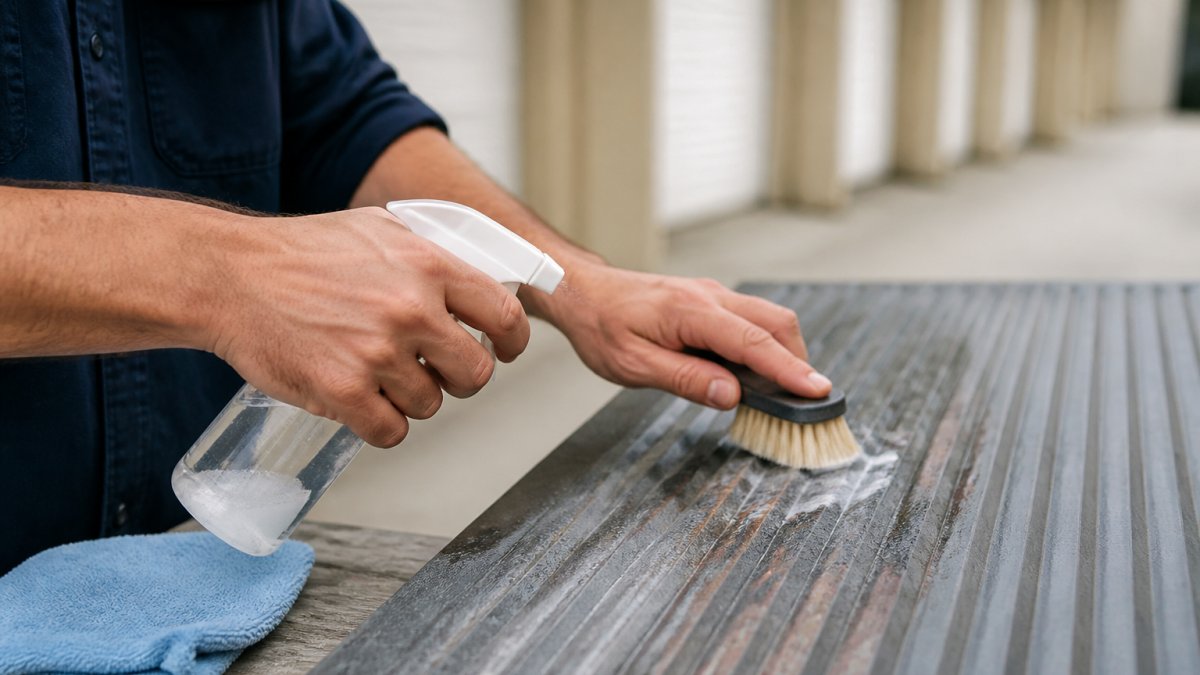
If your aluminum display already shows white or gray corrosion buildup, you can clean it. Oxidation is surface-level damage. It doesn't mean the metal is ruined. But displays are not the same as bare aluminum stock, and the cleaning method has to match the finish, the seals, and whatever the display is holding.
Start With the Gentlest Method
Begin with the least aggressive approach and escalate only if needed:
- Rinse with fresh water and a soft brush to lift loose dust, pollen, and salt
- Wash with a mild soap solution (a few drops of dish soap in a bucket of water works fine)
- Scrub gently in circular motions with a soft cloth or soft-bristle brush
- Rinse thoroughly with clean water so no soap residue remains
- Dry completely with a soft cloth or compressed air
Soap residue is not harmless. Left on the surface, it attracts dust and holds moisture against the coating. Rinse until the water runs clear, then dry every seam and edge.
Match the Cleaner to the Finish
The right cleaner depends on what is on the aluminum:
- Anodized surfaces: Mild soap and water only. Avoid acidic cleaners, which can dull or etch the anodic layer. Do not use abrasive pads, which scratch the finish permanently.
- Powder-coated surfaces: Mild soap and water, or a cleaner labeled safe for powder coating. Avoid solvents such as acetone or lacquer thinner, which soften the coating.
- Clear-coated surfaces: Mild soap and water. Avoid ammonia-based glass cleaners on clear coat; they can cloud the finish over time.
- Bare or mill-finish aluminum: Mild soap and water first. A diluted white vinegar solution (equal parts vinegar and water) can help with stubborn oxidation, but rinse thoroughly afterward because vinegar is acidic and will attack bare aluminum if left to sit.
Protect Seals, Screens, and Electronics
Most outdoor displays are more than a metal panel. They may have silicone seals, gaskets, acrylic or glass windows, printed graphics, LED modules, or wiring entries. Water and cleaner forced into those areas cause more damage than the corrosion you set out to remove.
- Do not spray water directly into seams, cable entries, or ventilation gaps. Use a damp cloth instead.
- Keep cleaners off printed graphics and screens unless the manufacturer specifies otherwise.
- Do not pressure-wash a display. High-pressure water drives moisture past seals and into electrical compartments.
- Check seals after cleaning. If a gasket looks cracked or pulled away, reseal it before the next rain.
Handle Stubborn Oxidation
For heavier white or gray buildup:
- Apply a diluted vinegar solution with a soft cloth and let it sit for 5 to 10 minutes, no longer.
- Scrub gently, rinse thoroughly, and dry completely.
- If the oxidation persists, a non-abrasive aluminum cleaner formulated for the finish is the next step. Test it on a hidden area first.
After any cleaning, preventing corrosion on outdoor aluminum displays means getting the surface dry. Water left in seams or behind fasteners restarts the corrosion process. Dry the display, check the drainage paths, and confirm water runs off rather than pooling.
Best Protective Coating for Outdoor Aluminum
Once your aluminum is clean, a protective coating stops corrosion before it starts. The right finish makes all the difference.
Anodizing and Powder Coating Options
Anodizing is a process that thickens the natural oxide layer. It creates a much tougher, more durable surface than bare aluminum. Anodized aluminum resists corrosion far better than untreated metal.
Powder coating is a dry finish applied electrostatically. It forms a hard, protective shell over the aluminum. Powder coating blocks moisture and chemicals from reaching the surface.
Both methods work well for outdoor displays:
- Anodizing: Better for coastal areas, lasts 15+ years, can be clear or colored
- Powder coating: Better for high-pollution areas, extremely durable, many color options
If you're buying new aluminum displays, choose anodized or powder-coated finishes. The extra protection pays for itself through longer life and less maintenance.
Clear Coat and Protective Finishes
Clear coat is a transparent protective layer applied over the aluminum. It seals the surface and stops corrosion. Clear coat doesn't change the appearance, the aluminum looks natural underneath.
Clear coat works best on already-anodized or powder-coated aluminum. It adds an extra layer of protection. On bare aluminum, clear coat alone offers limited protection because moisture can still reach the oxide layer underneath.
For outdoor displays, use UV-resistant clear coats. Regular clear coat breaks down in sunlight. UV-resistant finishes last much longer.
Preventing corrosion on outdoor aluminum displays with clear coat means reapplying every 2-3 years. The coating wears away over time. Reapplication is simple and keeps protection strong.
Aluminum Corrosion from Dissimilar Metals
When different metals touch, corrosion speeds up. This is called galvanic corrosion. It happens because different metals have different electrical charges. When they're in contact, they create a tiny electrical current that causes corrosion.
Aluminum corrodes fastest when touching:
- Steel fasteners or brackets
- Copper wiring or fittings
- Brass hardware
- Stainless steel (in some cases)
The solution is simple: isolate different metals. Use these methods:
- Replace steel fasteners with stainless steel or aluminum
- Install rubber or plastic washers between different metals
- Use gaskets to separate aluminum from other materials
- Paint or coat the contact points
If your display has mixed metals, preventing corrosion on outdoor aluminum displays means checking those contact points regularly. Corrosion often starts where metals touch.
How Often to Inspect Aluminum Outdoors
Regular inspections catch corrosion early, when it's easy to fix. Waiting until damage is severe means more work and higher costs. The key is knowing where to look and what counts as a problem worth acting on.
Set the Inspection Interval by Exposure
Use the environment around the display to set the schedule:
- Coastal or salt-spray exposure: Monthly, and again after any storm with onshore wind.
- Humid climates and shaded areas that stay damp: Quarterly.
- Moderate climates with good drainage and airflow: Twice yearly, ideally in spring and fall.
- After any severe weather event: Heavy rain, hail, wind-driven debris, and salt spray all justify a look, regardless of the calendar.
Work Through These Inspection Points
A useful inspection is systematic. Check the same points every time so nothing gets missed:
- Horizontal surfaces and ledges where water and debris collect.
- Seams and panel joints where moisture hides and sealant breaks down.
- Fasteners, bolts, and mounting brackets, especially where steel or other metals touch the aluminum.
- Cable entries, ventilation gaps, and electrical compartments for water ingress.
- Coating edges and scratch points where the finish has worn or chipped.
- Drainage paths and weep holes for clogs from leaves, pollen, or insect nests.
- Grounding points and connection hardware for corrosion that can affect electrical continuity.
- The back and underside of the display, which are easy to forget and often where corrosion starts.
Know What You Are Looking At
Not every mark means the same thing. Use these indicators to judge severity:
- White or gray powdery film: Surface oxidation. Clean it and recheck in a few weeks.
- Pitting or small holes: Corrosion has moved below the surface. Clean, treat, and monitor closely.
- Blistering or peeling coating: Moisture is trapped under the finish. The coating needs repair.
- White or green buildup around fasteners: Galvanic corrosion between dissimilar metals. Isolate or replace the hardware.
- Staining or discoloration that does not clean off: Likely corrosion under the coating. Escalate to repair.
- Water pooling or damp seams after dry weather: A drainage or seal problem that will drive corrosion.
Decide When to Escalate
Set simple rules so small issues do not become big ones:
- Clean and monitor: Surface oxidation that comes off with mild cleaning and does not return within a month.
- Repair the coating: Chipped, scratched, or peeling finish, or oxidation that returns quickly after cleaning.
- Replace hardware or reseal: Corroded fasteners, failed gaskets, or water getting into seams or electrical entries.
- Call a professional: Pitting that spreads, corrosion at structural joints, or water inside electrical compartments.
Catching these early makes cleaning and repair simple. Ignoring them lets corrosion spread. Record what you find each time so the next inspection starts with context instead of a blank slate.
Preventing Corrosion on Outdoor Aluminum Displays: A Maintenance Schedule
A simple maintenance routine keeps your aluminum displays looking great and lasting decades.
| Task | Frequency | Why It Matters |
|---|---|---|
| Visual inspection | Monthly (coastal) or quarterly | Catches problems early |
| Gentle cleaning | Every 3-6 months | Removes salt, chemicals, debris |
| Rinse with fresh water | After rain or storms | Washes away corrosive materials |
| Check drainage areas | Quarterly | Prevents water pooling |
| Reapply clear coat | Every 2-3 years | Maintains protective layer |
| Full inspection for damage | Annually | Identifies wear and corrosion |
This schedule works for most outdoor displays. Coastal areas need more frequent cleaning. Sheltered displays can go longer between cleanups.
Display-Specific Corrosion Prevention Around Joints and Connections
Corrosion often starts at joints, seams, and connection points. These areas trap moisture and allow chemicals to accumulate. Preventing corrosion on outdoor aluminum displays means paying special attention to these spots.
Water gets trapped in:
- Seams where panels connect
- Spaces around fasteners and bolts
- Edges where coatings have worn away
- Areas where different materials meet
- Gaps between the display and its mounting bracket
Prevent corrosion at these points:
- Seal seams: Use silicone sealant rated for outdoor use
- Use gaskets: Rubber or plastic gaskets separate materials and block water
- Apply corrosion inhibitor: Spray a thin protective coating on fasteners and connections
- Ensure drainage: Tilt displays slightly so water runs off, not into seams
- Ventilate: Leave small gaps for air circulation, trapped air holds moisture
Check sealed areas annually. Sealants break down over time. Reapply as needed to maintain protection.
Celebrate Your Passions with Durable Displays
Your aluminum display holds meaning. Maybe it showcases a hobby you love. Maybe it marks a memory that matters. Whatever it represents, it deserves to stay beautiful.
Preventing corrosion on outdoor aluminum displays doesn't require fancy products or complicated processes. It's about understanding what causes corrosion, staying ahead of it with regular cleaning, and using the right protective finishes.
Keep your display clean and dry. Inspect it regularly. Use protective coatings designed for outdoor use. Follow a simple maintenance schedule. That's all it takes.
At Real Cool Signs, we create durable aluminum signs designed to help you showcase your unique passions and personality. Whether you are looking to decorate your man cave, bar, garden, or home, our collection features everything from animal and car signs to custom coasters. We are committed to providing high-quality decor that adds value to your space with a seamless shopping experience.
When you invest in quality displays, protecting them becomes part of showing respect for what they represent. Your passions deserve displays that stand the test of time.
Explore our collection of outdoor aluminum signs and find the perfect way to celebrate what you love. With proper care, your display will stay vibrant and corrosion-free for years to come.
Frequently Asked Questions
What can I put on aluminum to prevent corrosion?
Protective coatings are your best defense against corrosion on outdoor aluminum displays. Anodizing creates a dense oxide layer that significantly improves corrosion resistance, while powder coating and clear coats provide a barrier against moisture and salt spray. For existing aluminum, applying a quality clear protective coating after cleaning offers good protection. Regular maintenance and keeping surfaces dry also prevent corrosion from starting.
How do you clean oxidation off outdoor aluminum?
Start by rinsing the surface with water to remove loose debris. Mix a mild detergent with water and scrub gently with a soft-bristled brush, working in circular motions. For stubborn oxidation, use a specialized aluminum cleaner following the product instructions. Rinse thoroughly with clean water and dry completely with a soft cloth. Avoid abrasive scrubbers or harsh chemicals that can damage the aluminum's surface finish.
Can dissimilar metals cause corrosion on aluminum outdoors?
Yes. When different metals contact aluminum in outdoor conditions, galvanic corrosion can occur. Steel fasteners, copper components, or brass fittings touching aluminum create an electrical reaction that accelerates corrosion. To prevent this, use insulating washers and gaskets between dissimilar metals, apply protective coatings to fasteners, or choose stainless steel hardware that's less reactive with aluminum.
How often should outdoor aluminum be cleaned and inspected?
Inspect your aluminum displays monthly for early signs of corrosion, white oxidation, or damage to protective coatings. Clean them every 3-6 months, or more frequently in coastal areas or humid climates where salt spray and moisture accelerate corrosion. After heavy rain or storms, check for water pooling in crevices and ensure drainage holes are clear. Regular inspections catch problems early before they spread.
Outdoor displays take a beating. Weather, salt, chemicals, and moisture all work against aluminum. But with the right approach, you can stop corrosion before it starts. Clean regularly, use protective coatings, and inspect often. Your displays will thank you, and so will everyone who sees them.