


Table of Contents
- What You'll Need: Supplies and Tools for Cleaning Aluminum Decor
- How to Clean Outdoor Aluminum Decor: The Step-by-Step Process
- How to Remove Oxidation from Aluminum Decor
- Best Aluminum Cleaner for Outdoor Signs and Decor
- Preventing Rust on Outdoor Metal Signs and Aluminum Pieces
- Cleaning Powder-Coated Aluminum vs. Cast Aluminum
- Common Mistakes to Avoid When Cleaning Aluminum
- Maintenance Schedule: How Often to Clean Your Aluminum Decor
Last Updated: August 21, 2026
What You'll Need: Supplies and Tools for Cleaning Aluminum Decor
Before you start cleaning your outdoor aluminum pieces, gather the right tools and supplies. The wrong approach can scratch, dull, or damage the protective finish that keeps your decor looking sharp year after year.
Here's what works best for aluminum:
- Mild dish soap, The foundation of safe aluminum cleaning. Avoid harsh degreasers that can strip protective coatings.
- Lukewarm water, Hot water can cause thermal stress on the metal; cold water is less effective at breaking down grime.
- Microfiber cloth, Non-abrasive and lint-free, perfect for gentle buffing without leaving streaks.
- Soft-bristle brush, Use for scrubbing without scratching. Natural bristles work better than synthetic for delicate finishes.
- White vinegar, A natural, pH-neutral cleaner effective for oxidation and mineral deposits. Dilute it 1:1 with water.
- Bucket, For mixing your cleaning solution and rinsing cloths.
- Optional: rust remover, For stubborn oxidation spots that vinegar alone won't handle.
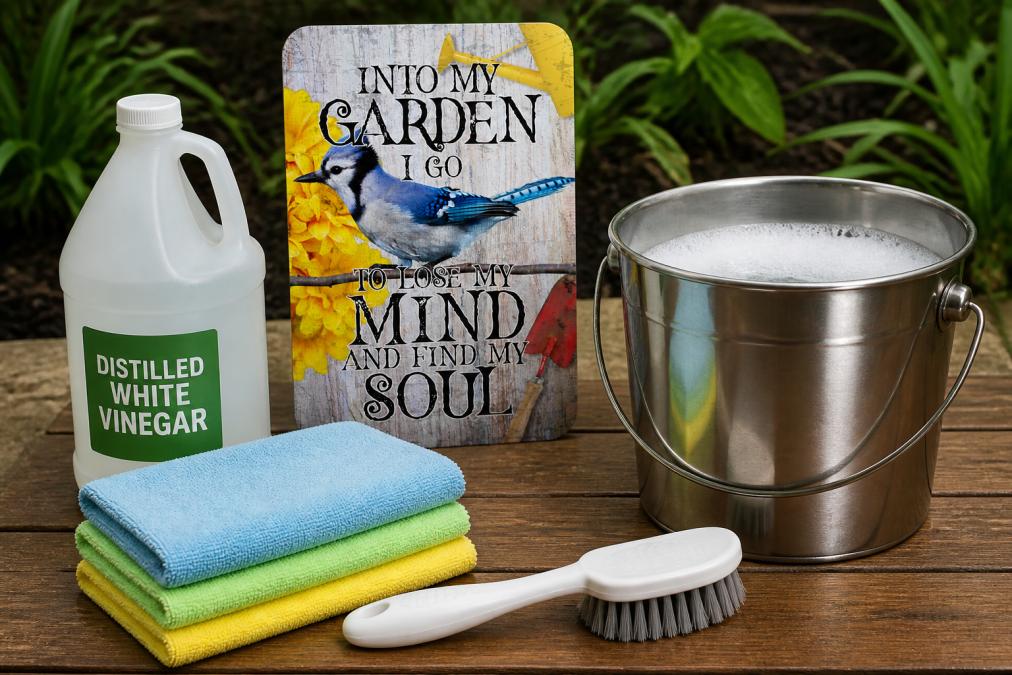
Skip abrasive scrubbers, steel wool, and harsh chemical cleaners. These tools damage the surface finish and accelerate corrosion. Many people reach for whatever's under the sink, that's where mistakes happen. The best approach uses gentle, pH-neutral products that clean without compromising the metal's protective layer.
How to Clean Outdoor Aluminum Decor: The Step-by-Step Process
Cleaning outdoor aluminum follows a straightforward sequence. The key is consistency, regular maintenance prevents heavy buildup that requires aggressive scrubbing.
Step 1: Rinse with lukewarm water (5 minutes)
Start by rinsing the entire piece with lukewarm water from a garden hose. This removes loose dirt, pollen, and debris before you apply any cleaning solution. Don't skip this step, it prevents dirt particles from scratching the surface when you scrub.
Step 2: Mix your cleaning solution (2 minutes)
Combine mild dish soap with lukewarm water in a bucket. Use about 1 tablespoon of soap per gallon of water. The goal is a light, soapy solution, not a thick foam. If you're dealing with oxidation or mineral deposits, add white vinegar at a 1:1 ratio with water instead.
Step 3: Apply the solution and let it sit (3-5 minutes)
Dip your soft-bristle brush into the solution and apply it evenly across the aluminum surface. Work in small sections. Let the solution sit for 3-5 minutes to break down grime and oxidation. This waiting period is crucial, it gives the cleaner time to work without requiring aggressive scrubbing.
Step 4: Scrub gently with a soft brush (5-10 minutes)
Using light pressure, scrub in circular motions with your soft-bristle brush. Focus on areas with visible buildup, but don't apply excessive force. Aluminum is softer than many metals, and hard scrubbing can leave marks (usgs.gov). For stubborn spots, let the solution sit longer rather than scrubbing harder.
Step 5: Rinse thoroughly with clean water (5 minutes)
Rinse the entire piece with clean lukewarm water until all soap residue is gone. Soap left behind can leave streaks and trap moisture against the metal. Take your time here, incomplete rinsing is a common reason aluminum looks dull after cleaning.
Step 6: Dry with a microfiber cloth (3-5 minutes)
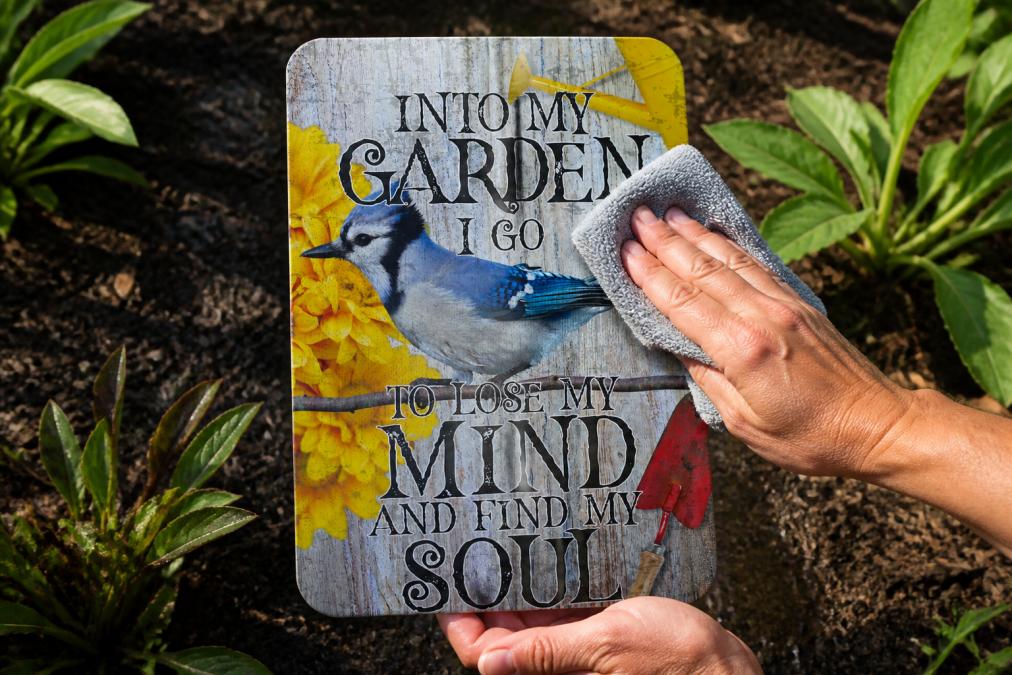
Pat the surface dry with a clean microfiber cloth. This prevents water spots and mineral deposits from forming as the piece dries. Microfiber absorbs water without leaving lint, which matters for maintaining that clean appearance.
How to Remove Oxidation from Aluminum Decor
Oxidation appears as a white, chalky, or dull gray coating on aluminum surfaces. It's the metal's natural response to oxygen exposure, a protective layer that forms over time. But it dulls your decor's appearance and can eventually compromise the finish if left untreated.
What causes oxidation: Aluminum oxidizes when exposed to air and moisture. Unlike rust on iron or steel, aluminum oxidation doesn't weaken the metal structurally, but it does affect appearance and can trap moisture underneath (nist.gov).
Removing light oxidation with vinegar:
For light to moderate oxidation, white vinegar is highly effective. Mix equal parts white vinegar and water. Apply the solution with a soft cloth and let it sit for 5-10 minutes. The acidity breaks down the oxidation layer. Scrub gently in circular motions, then rinse thoroughly and dry immediately.
Treating heavy oxidation:
Heavier oxidation requires a more aggressive approach. Apply a commercial aluminum rust remover according to product instructions, these are specifically formulated for oxidized aluminum without damaging the underlying metal. After using a rust remover, always follow up with the basic cleaning process to remove any chemical residue.
The buffing step: After removing oxidation, buff the surface with a clean microfiber cloth. This restores shine and removes any remaining dull spots. Buffing also helps you spot areas that need additional attention.
Best Aluminum Cleaner for Outdoor Signs and Decor
When it comes to cleaning outdoor aluminum, the best approach combines gentle regular maintenance with targeted treatments for specific problems.
For routine cleaning: Mild dish soap and water handle 90% of your cleaning needs. This combination is safe, effective, and won't damage protective coatings. It's also the most affordable option for regular maintenance.
For oxidation: White vinegar is the natural choice for light to moderate oxidation. It's pH-neutral, non-toxic, and effective on aluminum-specific corrosion. For heavy oxidation, commercial aluminum rust removers work faster, but they require careful application and thorough rinsing.
For mineral deposits and hard water stains: White vinegar excels here too. The acidity dissolves mineral buildup without scratching the surface. Let the vinegar solution sit longer on stubborn deposits before scrubbing.
For general-purpose outdoor metal cleaning: A pH-neutral degreaser designed for aluminum is effective for heavily soiled pieces. Avoid generic degreasers marketed for concrete or machinery, these are often too harsh for decorative aluminum.
Real Cool Signs aluminum pieces are built to withstand outdoor conditions, but they respond best to gentle, consistent care. The "Into My Garden I Go" aluminum garden signs, available in designs like the Blue Jay and Tomato varieties, maintain their vibrant colors and finish when cleaned regularly with mild soap and water. These pieces are designed with durable aluminum construction that resists fading, making proper cleaning more about maintenance than restoration.


Preventing Rust on Outdoor Metal Signs and Aluminum Pieces
Prevention is always easier than repair. A few simple practices keep your outdoor aluminum looking sharp and extend its lifespan significantly.
Apply a protective sealant: After cleaning, consider applying a clear protective sealant or wax coating designed for aluminum. This creates a barrier between the metal and moisture, slowing oxidation. Reapply annually or after heavy cleaning.
SHOP OUR REAL COOL COLLECTIONS NOW →
Ensure proper drainage: If your aluminum piece sits on a surface, make sure water drains away rather than pooling. Standing water accelerates corrosion. Angle surfaces slightly or elevate pieces on stands.
Control moisture exposure: While you can't prevent all moisture, you can minimize it. Position pieces where they dry quickly after rain. Avoid areas with constant shade and high humidity, which slow drying and promote oxidation.
Regular inspection: Check your aluminum decor monthly during outdoor season. Catch early signs of oxidation or damage before they spread. Early intervention prevents small problems from becoming major restoration projects.
Seasonal maintenance: Before winter, give your outdoor aluminum a thorough cleaning and seal. This protects it through months of moisture and temperature fluctuations. Spring is another good time for inspection and touch-up cleaning.
Cleaning Powder-Coated Aluminum vs. Cast Aluminum
Different aluminum finishes require slightly different care approaches. Understanding what you're cleaning helps you choose the right method.
Powder-coated aluminum: This finish has a factory-applied protective coating that's more durable than bare aluminum. It resists fading and oxidation better. Clean powder-coated aluminum with mild dish soap and water only. Avoid vinegar and acidic cleaners, which can degrade the coating over time. Use only soft cloths and soft-bristle brushes, never abrasive materials. Powder-coated pieces rarely need oxidation treatment because the coating prevents it.
Cast aluminum: This is bare aluminum or aluminum with a thinner protective layer. It oxidizes more readily than powder-coated aluminum. You can use vinegar solutions and slightly more aggressive cleaning without damaging the finish. Cast aluminum benefits from regular protective sealant applications to slow oxidation.
How to tell which you have: Powder-coated aluminum has a uniform, slightly textured finish that feels smooth and consistent. Cast aluminum often shows slight variations in color and texture, and oxidation appears more readily. If you're unsure, treat it as powder-coated (gentler approach) until you confirm otherwise.
Real Cool Signs creates pieces in both finishes depending on the design. The botanical aluminum signs, like the Dill Botanical design, are engineered for outdoor durability with finishes designed to resist weathering. Knowing your piece's finish helps you maintain it properly and keep it looking vibrant for years.
Common Mistakes to Avoid When Cleaning Aluminum
Learning what NOT to do saves you from costly damage and frustration.
Using steel wool or abrasive scrubbers: This is the most common mistake. Steel wool scratches aluminum and can leave dark marks. Even "fine" steel wool is too abrasive. Stick to soft-bristle brushes and microfiber cloths.
Leaving soap residue behind: Incomplete rinsing leaves a film that attracts dirt and creates streaks. Always rinse multiple times until the water runs clear and soap-free.
Mixing incompatible cleaners: Combining vinegar with bleach or other chemicals creates toxic fumes (the CDC). Use one cleaner at a time, rinse thoroughly between applications.
Scrubbing when dry: Applying abrasive force to dry aluminum increases scratching risk. Always wet the surface first and use a cleaning solution to provide lubrication.
Ignoring water spots: Mineral deposits from tap water harden and become difficult to remove if ignored. Dry immediately after rinsing to prevent spotting.
Using harsh chemical degreasers: Products designed for industrial equipment are too strong for decorative aluminum. They can strip protective coatings and cause discoloration.
Cleaning in direct sunlight: The heat accelerates drying and can cause streaking. Clean in shade or on cloudy days when possible.
Neglecting the drying step: Leaving aluminum wet invites oxidation and mineral deposits. Always complete the process with thorough drying.
Maintenance Schedule: How Often to Clean Your Aluminum Decor
Consistency matters more than intensity. A regular schedule prevents heavy buildup that requires aggressive cleaning.
| Environment | Cleaning Frequency | Notes |
|---|---|---|
| Low-pollution areas | Every 3-4 months | Minimal dust and moisture exposure |
| Standard suburban settings | Every 6-8 weeks | Typical weather and environmental conditions |
| Coastal or high-humidity areas | Every 4-6 weeks | Salt air and moisture accelerate oxidation |
| Heavy pollen or industrial areas | Every 4 weeks | Tree pollen, construction dust, or air pollution |
| After storms or heavy rain | As needed | Remove moisture and debris promptly |
Monthly inspection: Even if you're not doing a full cleaning, inspect your aluminum pieces monthly. Look for early signs of oxidation, water pooling, or damage. Catching problems early prevents expensive restoration.
Seasonal deep clean: Plan a thorough cleaning at the start of outdoor season (spring) and before winter storage. This removes accumulated grime and prepares pieces for months ahead.
Touch-up cleaning: Between deep cleans, quick rinses with water remove loose dirt. This 5-minute task extends the time between full cleanings.
Post-event cleaning: After storms, heavy rain, or pollen season, give your outdoor aluminum a rinse and inspection. Prompt attention prevents staining and oxidation.
The specific schedule depends on your location's weather, humidity, and pollution levels. Coastal properties need more frequent cleaning than inland areas. Properties under trees need more attention than open-sun locations. Adjust your routine based on what you observe.
Keeping your outdoor aluminum decor looking sharp isn't complicated, but it does require a consistent approach. The right supplies, gentle technique, and regular maintenance prevent the oxidation and weathering that dull even high-quality pieces. Whether you're protecting garden signs, decorative plaques, or custom aluminum art, these steps keep your investment looking vibrant.
Ready to make your space stand out? Explore unique, conversation-starting signs at RealCoolSigns.com and find the perfect piece for your home, office, garage, or gift.
Frequently Asked Questions
Is Dawn dish soap safe on aluminum?
Yes, mild dish soap like Dawn is safe and one of the best choices for cleaning outdoor aluminum decor. Mix a few drops with lukewarm water to create a gentle cleaning solution that removes dirt and grime without damaging the surface. Avoid harsh abrasive cleaners or those with high pH levels, which can accelerate corrosion and oxidation on aluminum.
How do you remove oxidation from aluminum decor?
White vinegar is highly effective for removing oxidation. Apply it directly to oxidized areas, let it sit for 5-10 minutes, then scrub gently with a soft-bristle brush. For stubborn oxidation, a commercial aluminum rust remover can be used according to product instructions. Buff the surface with a microfiber cloth afterward. Always rinse thoroughly with water and dry completely to prevent new corrosion from forming.
What should you avoid using when cleaning aluminum?
Never use steel wool, wire brushes, or harsh abrasive cleaners on aluminum, as they scratch and damage the surface finish. Avoid bleach, ammonia-based products, and high-pH cleaners that accelerate corrosion. Always use pH-neutral products when possible.
How often should you clean outdoor aluminum decor?
Clean outdoor aluminum decor every 3-6 months depending on your climate and environment. Areas with high humidity, salt air, or frequent bird droppings and tree sap may need cleaning every 2-3 months. A quick rinse with mild soap and water monthly helps prevent buildup. Regular maintenance is far easier than dealing with heavy oxidation or stubborn stains that develop from neglect.