


Last Updated: October 29, 2026
Quick Summary
The best custom sign ideas for new homeowners are personalized house signs with a family name, a welcome sign at the entryway, and room-by-room placements planned around how the household lives. Start with one statement piece at the front door, make sure the house number reads from the street, and check HOA rules before mounting anything outside.
- Start with one statement piece at the entry rather than filling every wall at once.
- Make the house number readable from the street, since it is the one sign every home needs.
- Walk the route a guest takes and mock up sizes with painter's tape before ordering.
- Match outdoor material and finish to how much sun, moisture, and temperature swing the spot gets.
- Check homeowners association and local rules for size and placement before mounting outdoors.
Table of Contents
- Why a Sign Is One of the First Ways to Make a House Feel Like Home
- Personalized House Signs That Tell Your Family's Story
- Custom Welcome Signs for Home Entryways and Porches
- New Home Sign Ideas for Every Room and Outdoor Space
- Choosing Materials and Finishes That Hold Up Outdoors
- Personalization Prompts Beyond Names and Addresses
- DIY or Commissioned: Sizing, Placement, and Local Rules
- Housewarming Gifts for New Homeowners That Get Used Every Day
- Pick Your First Sign and Make the New House Yours
- Frequently Asked Questions
Every home has a first sign, and for most new homeowners it's the one that finally makes the house feel like theirs. Real Cool Signs helps people show off what they love, and that starts with the front of the house. The ideas below cover personalized house signs, entryway pieces, room-by-room placements, and the practical details that decide whether a sign still looks good after a few seasons.
Why a Sign Is One of the First Ways to Make a House Feel Like Home
A custom sign ideas list is often where a new owner starts, because the first decorative piece speaks directly to who lives there. Moving boxes can stay in the garage for weeks, but a sign goes up on day one and tells neighbors and visitors something real about the household. It turns an address into a place.
Decorators often recommend starting with a single statement piece rather than filling every wall at once. One well-chosen sign sets a tone that the rest of the decor can follow. Choose a color, a style, and a message that fit the way you already live, and the other choices become easier.
Personalized House Signs That Tell Your Family's Story
A family-name sign is the classic choice, and it works because it carries a little history. Put the surname, a year you moved in, or a nickname that only your household uses. Our Custom Name Beach House Sign and Custom Name Lake House Sign both suit this idea.

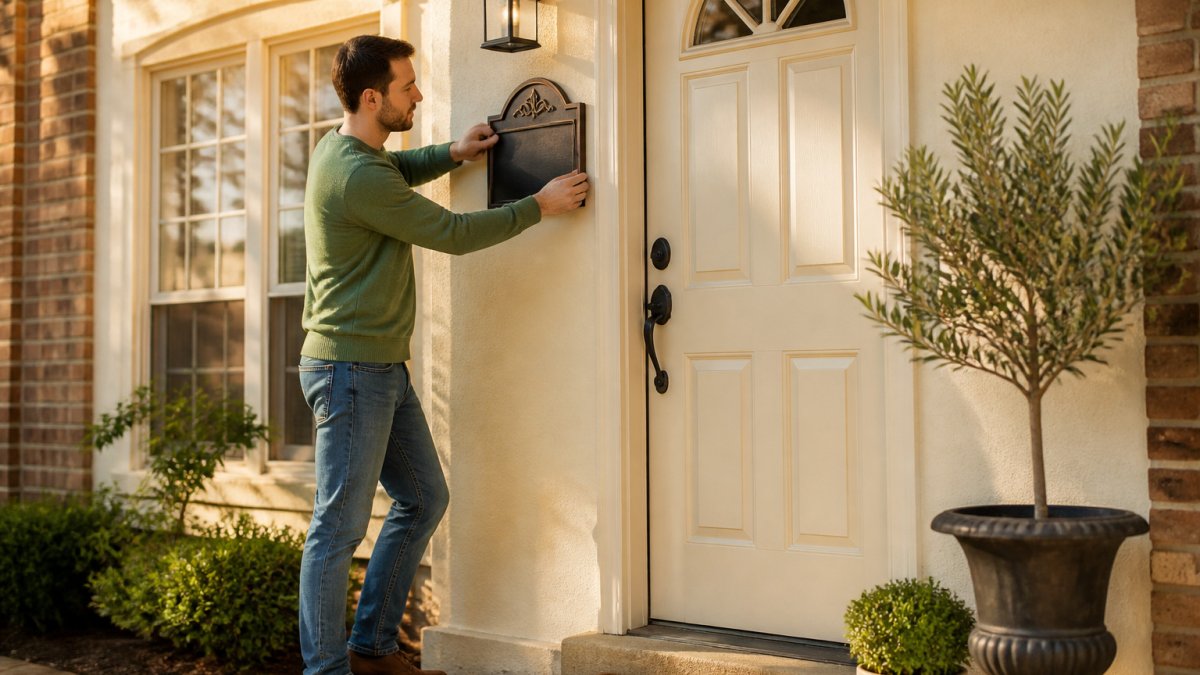
Think about how the sign will be read from the street. Test the spelling twice before ordering, since the name is printed exactly as you enter it. Our guide to beach house name sign styles and curb appeal walks through the looks that suit different homes.
Custom Welcome Signs for Home Entryways and Porches
The entryway is where a sign does the most work, because every guest passes it. A welcome sign by the front door sets the mood before anyone steps inside. Porch and walkway placements also reward a playful message, such as a line of humor or a nod to a favorite hobby.
Our Personalized Tiki Bar Sign is a good example of how a bold, fun design can set a relaxed mood, and it shows why custom sign ideas work best when they match the space.

New Home Sign Ideas for Every Room and Outdoor Space
New homeowners tend to think about signs one at a time, but the house reads better when the placements are planned together. A simple way to do it is to walk the house the way a guest would, from the street, through the entry, into the main rooms, and out to the yard, and decide what each spot should say. The ideas below are organized that way, with the practical note that matters for each space.
The Porch and Front Entry
This is the spot where every visitor passes. A welcome message, a family name, or a small phrase that fits the household sets the tone before anyone knocks. Keep the wording short so it reads from the walkway.
The House Number and Address
A house number is the one sign every home genuinely needs, and it is also the easiest to make distinctive. Beyond plain digits, new owners can work in the street name, a move-in year, or a small architectural detail borrowed from the house itself. The practical rule is visibility: the number should be readable from the street in the dark, which usually means large enough digits and, if the porch is dim, a nearby light. Check local rules on number size and placement before mounting.
The Kitchen and Dining Area
Kitchens reward warm, rustic messages, a favorite saying, a family motto, or a nod to the way the household actually eats and gathers. This is a good place for a phrase that makes people smile rather than a formal nameplate.
The Hallway and Entry Wall
A hallway or the wall just inside the front door is where a sign can act as a small welcome-home moment, something the household sees every day rather than something guests see once. A short quote, a meaningful date, or a phrase tied to a shared memory works well here.
The Garage, Workshop, and Game Room
These are the passion rooms, and they are where a sign can be most personal. A bar or game room suits something playful and social. Match the message to how the space is actually used, a workshop sign that nods to weekend projects reads truer than a generic slogan.
The Garden, Fence, and Gate
Outdoor garden and gate signs can carry a little more character, a garden name, a welcome-to-the-garden phrase, or a nod to whatever grows there. Plan for full sun and rain in these spots. Fences and gates also tend to be where local rules are strictest, so check before you commit.
A Quick Planning Checklist
- Walk the route a guest takes and note each spot before ordering anything.
- Measure first. Mock up the size with painter's tape so you can see it in place.
- Match the message to the room's purpose, warm in the kitchen, bold in the workshop, playful in the game room.
- Rank spots by exposure and put the most weather-hardy material where the sun and rain hit hardest.
- Check HOA and local rules for exterior placement, size, and visibility before mounting.
Choosing Materials and Finishes That Hold Up Outdoors
Outdoor signs live a harder life than indoor ones. Sun, rain, freeze-thaw cycles, salt air, and sprinkler overspray all attack a finish differently, and a sign that looks perfect in a shaded hallway can fade or chalk within a couple of seasons on a south-facing porch. The practical move for a new homeowner is to match the material and finish to the exposure the sign will actually face, not to buy the heaviest option and hope.
Start With the Exposure, Not the Material
Walk the spot where the sign will hang and answer three questions:
- How much direct sun does it get? A covered porch facing north is a very different environment from a fence line that bakes from midday to dusk. Ultraviolet light is the main driver of color fade, so full-sun spots deserve the most UV protection you can get.
- How much moisture and salt? Coastal air carries salt that accelerates corrosion on metal edges and hardware. Inland, the bigger threats are sprinkler overspray, roof runoff, and standing water trapped behind a sign that sits flush against a wall.
- How much temperature swing? In climates with hard freezes, water can work into seams and expand. A sign mounted with a small air gap behind it drains and dries better than one pressed tight to siding.
How the Common Materials Compare
- Aluminum is the material used for Real Cool Signs' sign collection, with durable .32 mm aluminum listed in the product details.
- Wood brings warmth and a rustic look that suits farmhouse and cabin styles, and it can be refinished if it weathers. The trade-off is maintenance: untreated wood grays and checks, so it needs a sealer or paint and periodic re-coating, and it is heavier to hang.
- Acrylic and other plastics offer crisp color and clean edges for modern looks, but they can become brittle with age and sun exposure and scratch more easily than metal. They work best in sheltered spots.
- Steel and iron give a sturdy, traditional feel but rust readily unless heavily coated, which makes them a better fit for covered or inland placements than for salt air.
Finishes and What They Actually Do
The listings for several Real Cool Signs products note extra UV protection for outdoor use and a smooth texture.
A Simple Maintenance Rhythm
Outdoor signs benefit from a little care:
- Wipe the face with mild soap and water a couple of times a year, and after pollen season.
- Rinse salt spray off coastal signs periodically rather than letting it sit.
- Check mounting hardware each season; loose screws let water in and let the sign rattle in wind.
- Touch up any chipped edge or scratch on metal promptly, since exposed edges are where corrosion begins.
Outdoor signs face different conditions depending on exposure, so the right material depends on where the sign will hang.
| Material | Best for | Key difference |
|---|---|---|
| Aluminum | Sign collection products | Durable .32 mm aluminum listed in product details |
| Wood | Farmhouse and cabin styles | Warm, rustic look; needs sealer and re-coating |
| Acrylic and plastics | Modern looks in sheltered spots | Crisp color; can become brittle and scratch more easily |
| Steel and iron | Covered or inland placements | Sturdy and traditional; rusts unless heavily coated |
Personalization Prompts Beyond Names and Addresses
A name is only the start. Many new homeowners find more meaning in a phrase, a favorite saying, or a shared memory. Consider these prompts when you sit down to plan:
- What do you say to friends when they arrive for the first time?
- Is there a hobby or pet that defines your household?
- Did you move in during a particular season or after a long search?
- Is there a quote from a favorite trip you want to keep close?
A short personal phrase often lands better than a long one. Keep the wording to a few words so the sign reads quickly and looks clean from a distance.
DIY or Commissioned: Sizing, Placement, and Local Rules
Sizing matters as much as design. Check whether your homeowners association or local rules limit signs in front yards or on exterior walls before you hang anything, since those rules vary from one community to the next.
Housewarming Gifts for New Homeowners That Get Used Every Day
A personalized sign can make a memorable housewarming gift. Choose a design that matches the recipient's style, whether that is a beach house, a lake retreat, a garage workshop, or a welcome message for the front porch. Including the new owners' family name makes the gift feel made for them.
Pick Your First Sign and Make the New House Yours
Start with one sign that says something true about your household. Put it where you will see it every morning and every time you come home, and let the rest of the house grow around it. Real Cool Signs offers designs for bars, garages, and gardens, so you can match the sign to the part of your life you care about most.
🏡 Ready to make the house yours? Browse our personalized house signs and find the one that tells your family's story.
Frequently Asked Questions
What are some creative custom sign ideas for a new home?
Popular choices include a family name sign above the front door, a house-number sign for the porch, a welcome sign with a playful phrase, and a themed sign that reflects a hobby such as gardening, cars, or pets. Many new homeowners start with one sign at the entry and add pieces room by room over time. Aluminum signs with sublimated graphics come in sizes such as 8 by 12 inches and 12 by 18 inches, which makes it easy to test placement before committing to a larger piece.
What should you put on a personalized house sign?
Most people choose a family name, a house number, or a short phrase such as 'Our Happy Place' or 'The Lake House.' Keep the text short enough to read from the walkway, and double-check spelling before ordering. Pairing a name with a small graphic, like a tropical motif or a rustic concrete look, adds personality without crowding the design. Think about what the sign should say to a guest who has never visited before.
Where should you display a custom sign in your home?
Entryways, porches, garages, bars, and garden gates are common spots. Outdoor signs benefit from UV-protected materials, while indoor signs can go in hallways, kitchens, or a home bar. Measure the wall or post first and consider sight lines from the street or the room doorway. A sign placed at eye level in a high-traffic area tends to get noticed most often.
What are thoughtful housewarming gifts for new homeowners?
A personalized sign is a strong choice because it gives the new owners a design to display. Pick a design that reflects the recipient's interests, such as a garage sign for a hobbyist or a pet-themed sign for a dog lover. Matching the size to the space the recipient mentions is a good rule of thumb, and a note explaining the design choice makes the gift feel more personal.
